
Activist Peter Staley calls on HIV community to fight back against war on science
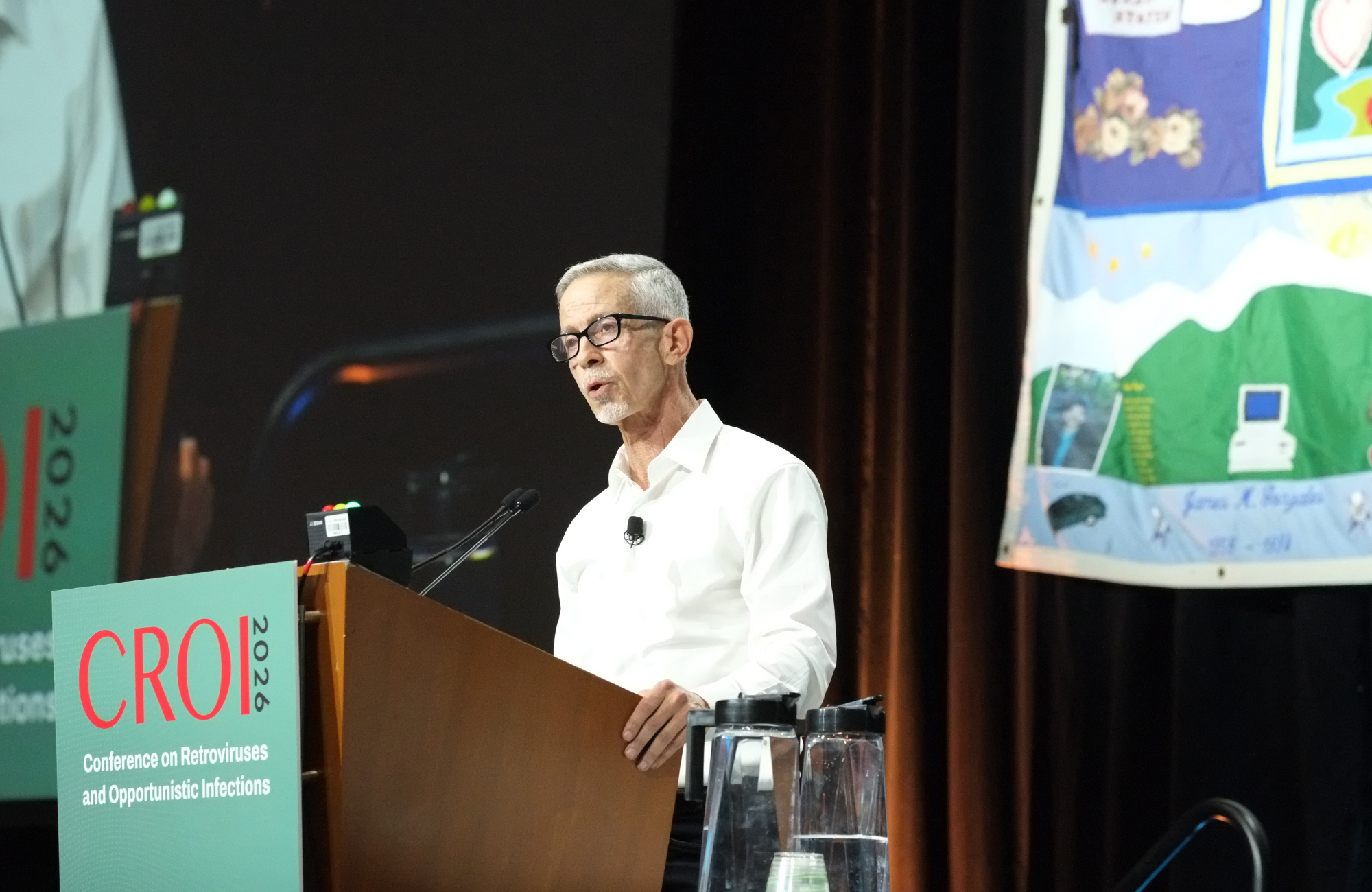
Veteran HIV activist Peter Staley delivered a passionate call to arms at the opening session of the Conference on Retroviruses and Opportunistic Infections (CROI 2026) in Denver this week, urging the HIV community to resist what he described as a systematic assault on science and public health under the Trump administration.
Staley drew on four decades of activism – beginning with his own AIDS diagnosis in 1985 – to frame 2025 as an "annus horribilis" for global health. The litany of damage was stark: the dismantling of USAID, mass cancellations of research grants and the appointment of AIDS denialist Robert F. Kennedy Jr. as Secretary of Health. Thousands of staff in federal agencies have been dismissed, with cuts disproportionately targeting women and people of colour in leadership roles.
PEPFAR stop-work orders halted HIV treatment and prevention services across Africa. Staley drew a visceral parallel with his own experience of untreated HIV before combination therapy became available, imagining the same now happening to people "suddenly robbed of the hopeful futures they were looking forward to."
Staley's assessment of the scientific community's response was mixed. He was critical of researchers who scrubbed grant applications of words like "diversity" and "equity" – he understood the harm reduction logic, but called it "acquiescence." He was equally dismissive of those who believe they can simply remain apolitical and wait out the crisis.
But he praised those who had pushed back. The American Public Health Association took the National Institutes of Health (NIH) to court over cancelled grants; nearly 500 NIH employees signed the Bethesda Declaration, committing to academic freedom and evidence-based health policy; and several prominent officials have resigned in protest. Activist groups including Stand Up for Science, Defend Public Health and the Science and Freedom Alliance have been organising and mobilising. "This kind of standing up has been one of our community's finest hours," Staley said.
Despite the bleak landscape, Staley struck a defiant note. "I have to believe that the pendulum that has been swinging against us this past year will – if we fight for it – eventually swing back." He received a standing ovation.
New pill could simplify treatment for people on complex HIV regimens
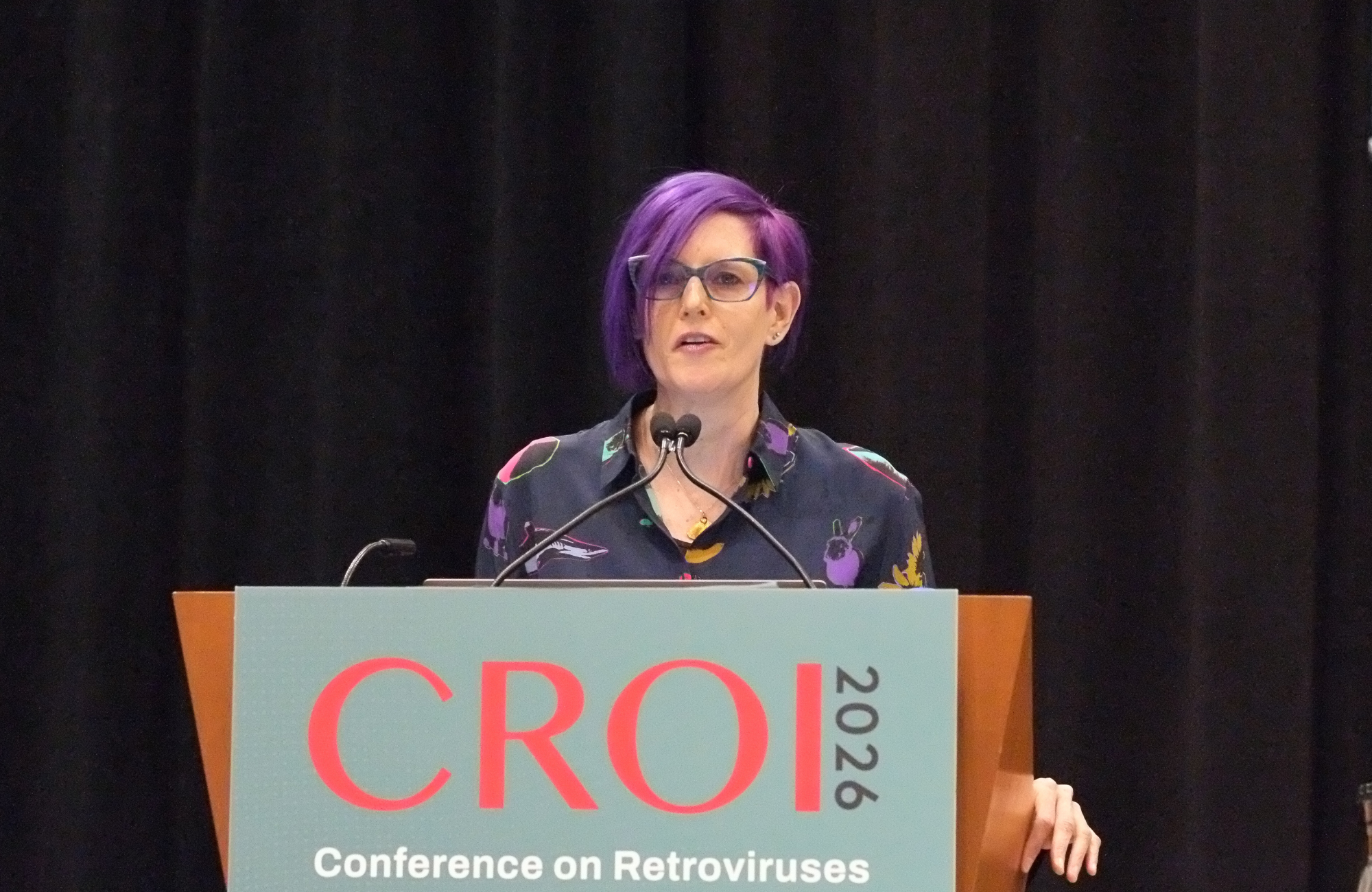
A once-daily combination pill containing bictegravir and lenacapavir (BIC/LEN) successfully maintained viral suppression in people with HIV who switched from complex multi-tablet regimens, according to phase III results from the ARTISTRY-1 trial presented at CROI 2026 and published simultaneously in The Lancet.
Professor Chloe Orkin of Queen Mary University of London said her study addresses a significant unmet need. "Many people still have to take complex, multi-tablet regimens, often due to viral resistance, intolerance or contraindications," she explained. "They may experience a high pill burden and challenges with adherence and may be at risk for drug interactions."
BIC/LEN combines bictegravir, an integrase inhibitor already well established as a component of Biktarvy, with lenacapavir, the first HIV capsid inhibitor. The trial enrolled 557 adults across 15 countries who were virally suppressed on complex regimens – defined as those requiring multiple daily pills, twice-daily dosing, a boosted protease inhibitor, or injected medications. Participants were randomised 2:1 to switch to BIC/LEN or continue their existing regimen.
Participants were much older than in most HIV trials: their median age was 60 and they had been on antiretroviral therapy for a median of 28 years. Drug resistance was the primary reason for complex regimen use (81%), and co-morbidities were common, with more than half having two or more underlying conditions.
At 48 weeks, BIC/LEN was non-inferior to continuing complex regimens: 96.0% of those on BIC/LEN had an undetectable viral load, compared with 93.5% in the complex-regimen group. No treatment-emergent resistance to either study drug was observed. People switching to BIC/LEN also saw improvements in blood lipid levels – largely attributable to stopping a protease inhibitor – and reported greater satisfaction with their treatment.
BIC/LEN was generally well tolerated. One person showed evidence of hepatitis B reactivation after stopping tenofovir, highlighting the importance of hepatitis B vaccination for those not already immune.
A second trial, ARTISTRY-2, presented in a conference poster, tested BIC/LEN as a switch option for people already taking Biktarvy. In 574 virologically suppressed participants, BIC/LEN again proved non-inferior: 93.5% in the BIC/LEN group had an undetectable viral load at 48 weeks versus 90.6% on Biktarvy, with a comparable safety profile. Gilead has indicated it plans to submit both trials' results to regulatory authorities.
Statin treatment cuts high blood pressure risk in people with HIV
A secondary analysis of the landmark REPRIEVE trial has found that pitavastatin reduces the risk of developing high blood pressure in people with HIV – and that developing high blood pressure more than doubles the risk of a serious cardiovascular event such as a heart attack or stroke.
The REPRIEVE trial, which followed 7769 people with HIV for a median of five years, previously showed that daily pitavastatin reduced the risk of major cardiovascular events by 36%. The new analysis, presented by Dr Esteban Martinez of Hospital Clinic in Barcelona, focused on 4989 participants who did not have high blood pressure at enrolment. Participants had a median age of 49, 30% were women, and just over a third were Black.
During follow-up, 668 developed high blood pressure – at a rate significantly higher in the placebo group than among those taking pitavastatin (29.6 versus 24.7 cases per 1000 person-years). Overall, pitavastatin reduced the risk of developing hypertension by 17%.
Risk factors for developing high blood pressure largely mirrored those seen in the general population, including older age, higher body mass index, and elevated fasting glucose. Participants in sub-Saharan Africa faced higher risk, while those in southeast and east Asia had lower risk.
Crucially, developing hypertension during the study more than doubled the risk of a subsequent major cardiovascular event, even after adjusting for baseline cardiovascular risk. The investigators say their findings provide clear evidence that in people with HIV, developing high blood pressure should be treated as a cardiovascular warning sign – even in people already taking a statin.
Two further analyses presented at CROI add a complicating note: switching to an integrase inhibitor-based regimen was associated with a substantially increased risk of developing hypertension. A US study found an 81% higher risk among people who switched from a protease inhibitor or NNRTI, while a Ugandan study of people switching to dolutegravir found a 30% increased risk, linked in part to weight gain. The REPRIEVE team will soon publish data on the association between integrase inhibitor use and incident hypertension.
Both daily and on-demand PrEP work well, French study confirms
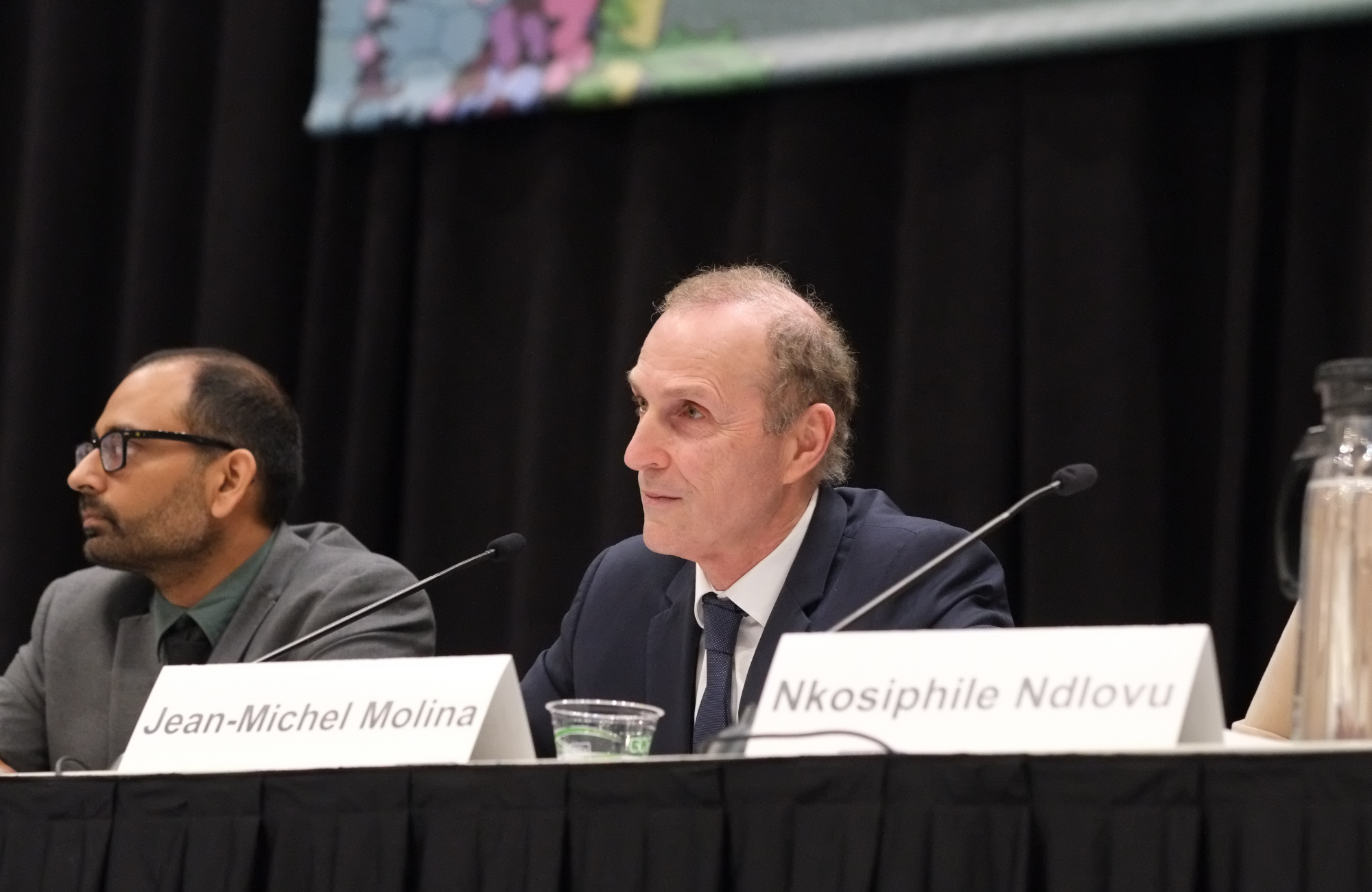
The Prévenir study, presented at CROI 2026 by Professor Jean-Michel Molina, confirms that both daily and event-driven oral PrEP are safe and effective for gay and bisexual men. The study enrolled over 3200 people across 26 sites in the Paris region.
Throughout the eight-year study, around half of participants used daily PrEP and half used on-demand dosing at any given time – though most individuals switched between methods at least once. Just 14 HIV acquisitions occurred across the whole study, giving an overall annual incidence of 0.11%. Most infections happened when participants were not taking PrEP or had poor adherence.
However, while HIV cases fell 33% among French-born participants, they rose 73% among those born abroad – highlighting the urgent need to extend PrEP access to migrant communities and other underserved groups.
PrEP uptake was already too low to curb HIV – then came the cuts
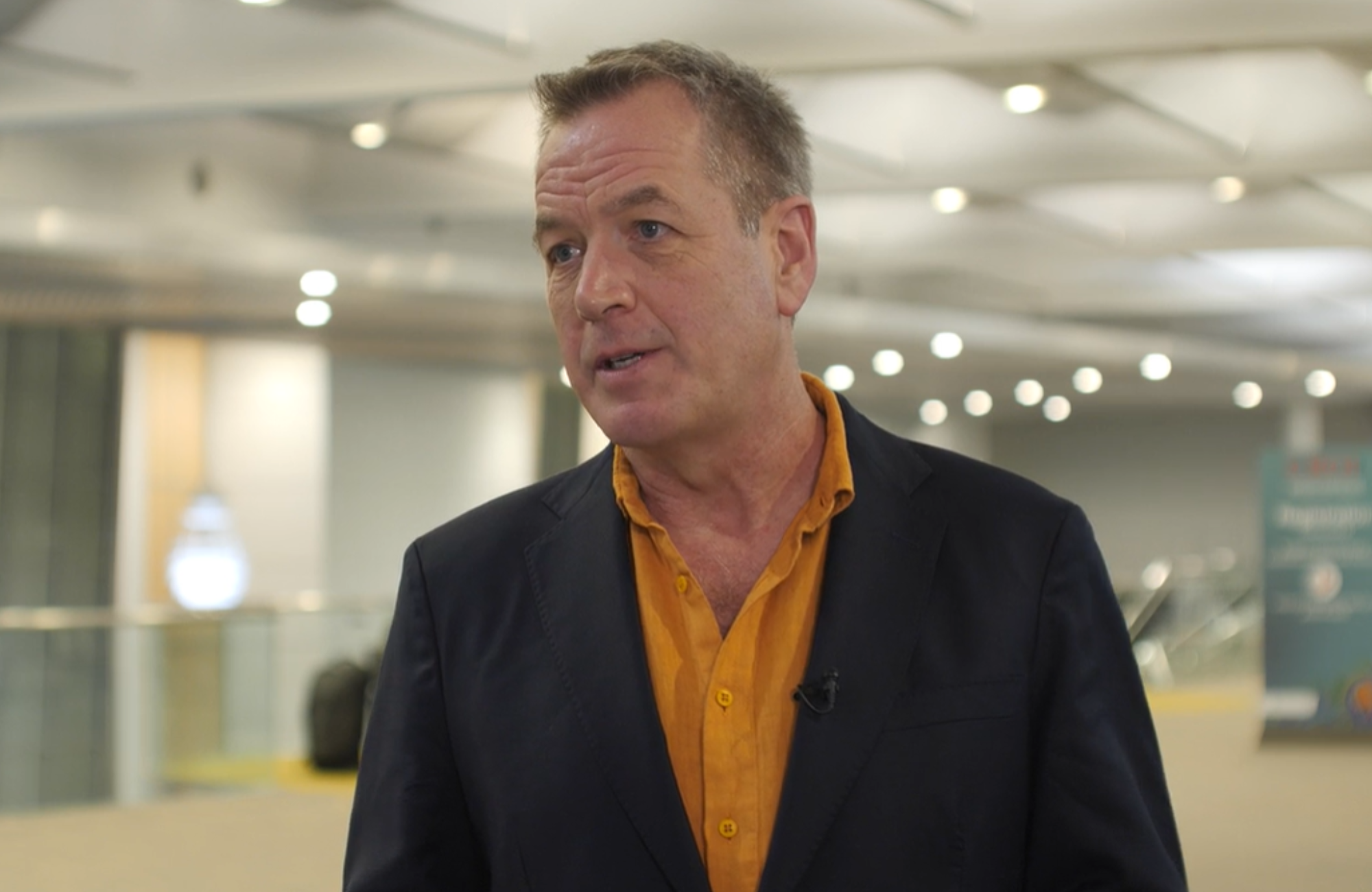
Global PrEP coverage was already far too low to make a meaningful dent in HIV transmission even before the Trump administration's cuts to PEPFAR – and those cuts have now pushed several countries’ prevention programmes close to a state of collapse. That was the stark message from Dr Andrew Hill of Liverpool University, presenting at CROI 2026.
Hill's analysis used a simple but powerful measure: how many people are on PrEP for every new HIV infection occurring in a country? Data from the landmark PURPOSE lenacapavir trials suggests that around 42 people need to be on PrEP to prevent one new infection per year.
By the end of 2024, only Australia, Denmark, Norway and the UK were close to meeting that threshold. Although there were 591,000 people on PrEP in the US, this only amounted to 15 PrEP users per new infection. Similarly, despite South Africa having 370,000 PrEP users, this was just one person on PrEP for every three new infections.
The PEPFAR cuts have sharply worsened the picture. South Africa and Zambia have seen 28% and 58% drops in PrEP users, respectively. Nigeria suffered the most dramatic collapse: from 390,000 people on PrEP in 2024 to just 7000 in 2025 – a 98% reduction, leaving ten new infections for every person on PrEP.
Cost remains a central barrier. Oral PrEP (tenofovir/emtricitabine) is available for around $35 per person per year in generic form, but injectable options carry far higher price tags despite Hill's own research showing lenacapavir could be manufactured profitably for a similar cost. Currently, only 2.9% of the 2.2 million people on PrEP worldwide use injectable cabotegravir, and just 0.9% use lenacapavir – and that 2.2 million is only one-tenth of the UNAIDS target.
"PrEP is having little or no impact on HIV incidence in low- or middle-income countries," Hill said. His proposed remedy: a dedicated HIV Protection Fund of $500 million a year to get the first ten million people in low- and middle-income countries onto lenacapavir PrEP.
US funding cuts hit HIV's vital behind-the-scenes services hardest
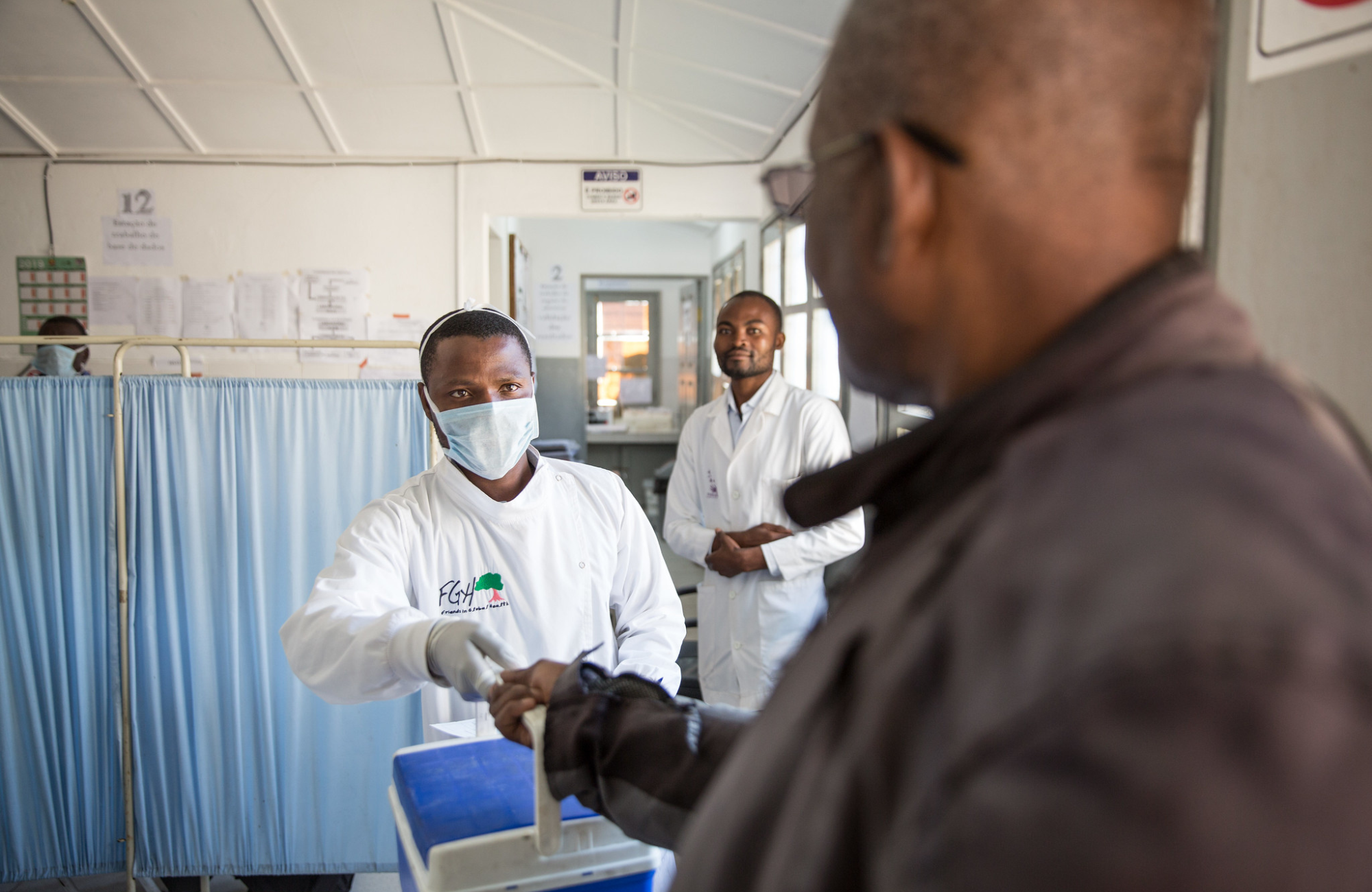
The sudden withdrawal of US funding for global HIV programmes has caused widespread disruption to services across sub-Saharan Africa and beyond – with non-clinical functions particularly affected, according to research presented at the conference.
PEPFAR's $5 billion annual contribution represented 80% of all international donor HIV funding, and its reach extended well beyond treatment – including laboratory infrastructure, data systems, patient monitoring, and socio-economic support programmes. But assessing the full human impact of the cuts has been extraordinarily difficult precisely because data systems have been taken offline, and the staff who could interpret them are no longer in post.
A rapid survey of clinics and programmes in 32 countries in seven regions found that nearly half reported some disruption to HIV services. Clinic operations were the most commonly affected area, with 47% reporting problems including adherence support, patient tracing and record management. Disruptions to laboratory services such as viral load testing were reported by 34% of sites, while 28% reported challenges with medication availability.
A second survey included 36 clinics in the South African province of KwaZulu-Natal which serve nearly 180,000 people living with HIV. Four in ten clinics reported some service disruption, but because larger clinics were disproportionately affected, over half of all clients in the province felt the impact. Loss of data capturers alone affected 27% of clinics and 36% of clients.
Both researchers stressed that so-called "silent" functions – data entry, patient tracing, monitoring systems – are not peripheral to HIV care but essential to it. Even when medications remain available, the collapse of patient monitoring systems ultimately undermines clinical care. Once lost, these functions are not quickly replaced.
"These things can be taken away overnight," commented Dr Lindsey Filiatreau, "but they can't be rebuilt overnight."
Throat cancer rates rising sharply among heterosexual men with HIV in the US
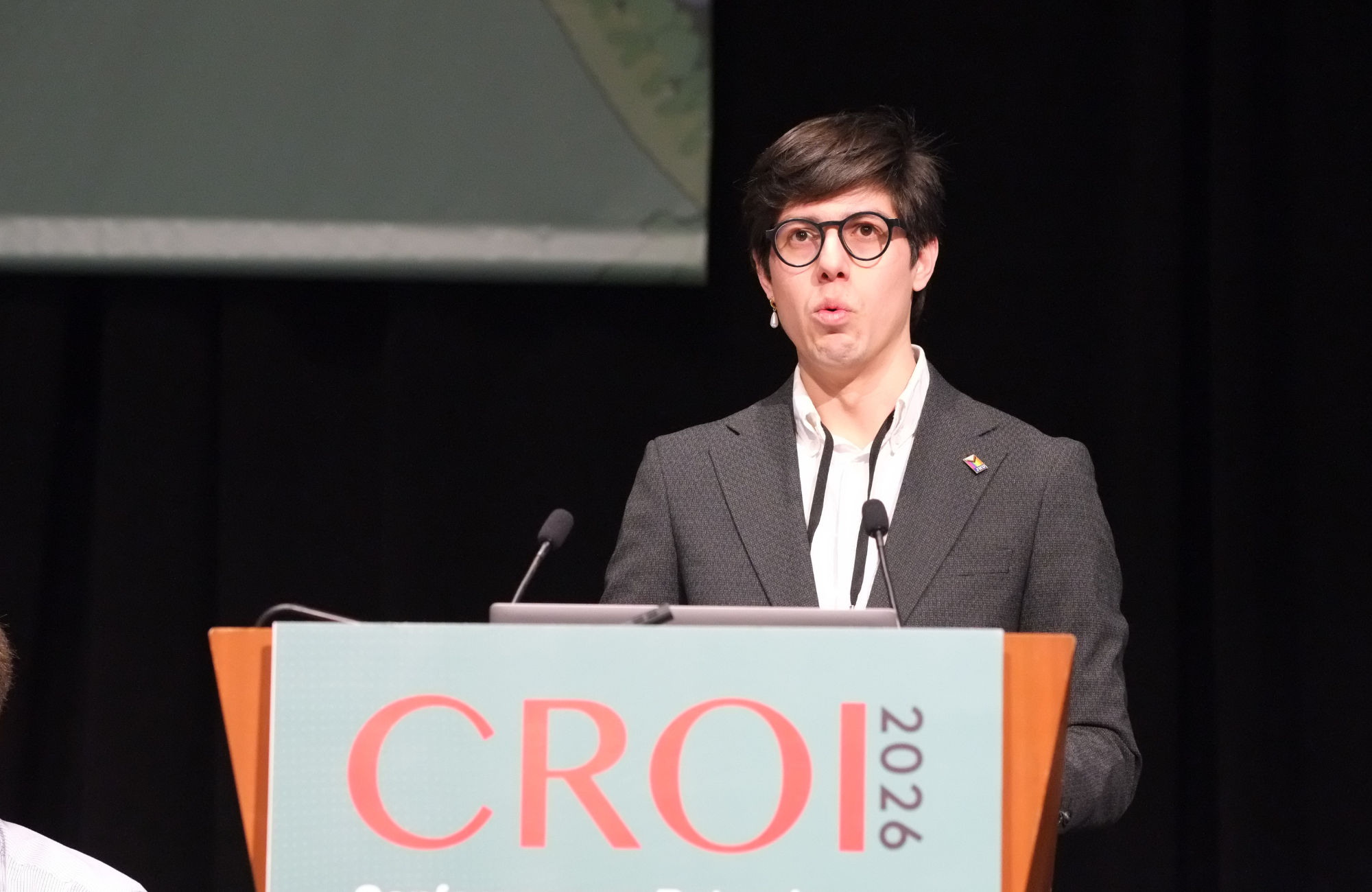
Oropharyngeal cancer – cancer of the back of the mouth and throat – is no longer rare in people with HIV, particularly heterosexual men, according to a large North American study presented at CROI 2026 in Denver.
Dr Antonio Bandala-Jacques of the Johns Hopkins Bloomberg School of Public Health analysed data from 135,356 people with HIV enrolled in the NA-ACCORD collaboration, which pools data from 21 cohorts across North America. Using cancer registries, the team identified 254 confirmed oropharyngeal cancer diagnoses between 2000 and 2020.
Incidence nearly tripled over the study period, rising from 15.7 per 100,000 person-years from 2000 to 2002, to 42.3 per 100,000 person-years from 2018 to 2020. Rates were highest in people aged 50 to 59 and lowest in those under 40. Compared to gay and bisexual men, heterosexual men had a 50% higher likelihood of diagnosis, while heterosexual women had a 50% lower likelihood. Histories of smoking or alcohol abuse each raised the risk by 30%, and deeper immunosuppression was also associated with greater risk.
The leading explanation for higher rates in people with HIV is that the virus impairs clearance of human papillomavirus (HPV), the main driver of oropharyngeal cancer. The higher rate in heterosexual men may reflect greater HPV transmission during oral sex with female partners.
"Oropharyngeal cancer is no longer a rare cancer in some people living with HIV," Dr Bandala-Jacques concluded, adding that heterosexual men with HIV – especially those with a smoking or alcohol history, or a history of immunosuppression – are most in need of regular screening.
Immune-modulating drugs slow HIV rebound in a quarter of participants
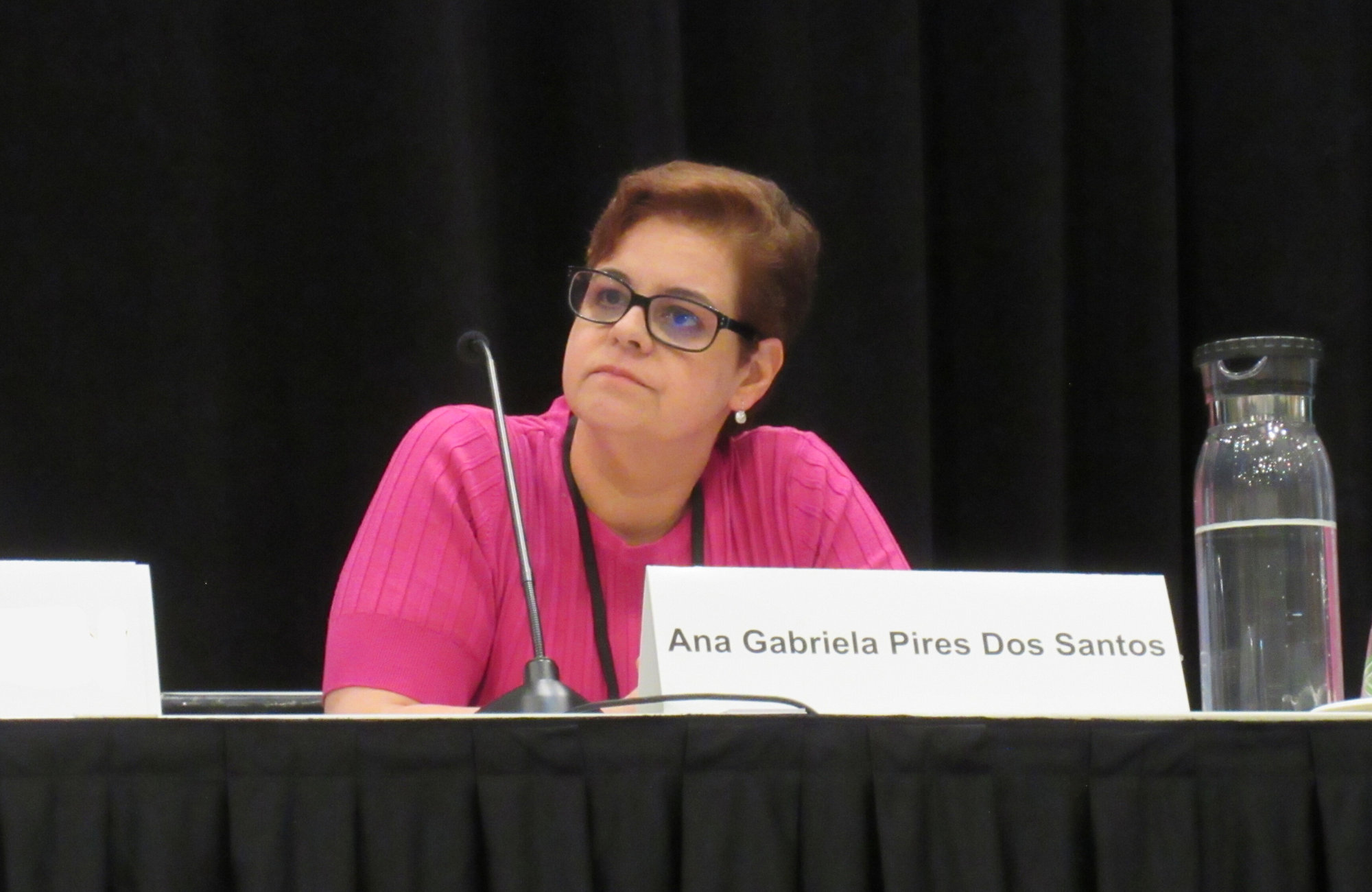
A phase II randomised trial of two immune-modulating drugs – budigalimab and trosunilimab – showed modest and short-lived control of HIV after people stopped antiretroviral therapy (ART), and development of the combination will not continue.
The trial, presented at CROI 2026 by Dr Ana Gabriela Pires Dos Santos of AbbVie, enrolled 142 people with HIV who underwent an analytical treatment interruption. Budigalimab is an anti-PD-1 immune checkpoint inhibitor designed to reinvigorate T-cells to fight HIV; trosunilimab targets a receptor involved in viral spread.
At week 24, 24% of participants receiving budigalimab plus low-dose trosunilimab maintained a viral load below 1000 without restarting ART, compared with 5% on placebo. However, viral control declined with further follow-up, and by 52 weeks at least two participants had lost control entirely.
Side effects were common, with 44% experiencing treatment-related adverse events and 11% discontinuing treatment.
The researchers concluded that the results "do not justify further development" of the combination and suggested future anti-PD-1 approaches will need to explore novel mechanisms.