
Key points
- People living with HIV should have regular blood tests to monitor their liver function.
- Your liver helps process the medication used to treat HIV and other conditions.
- Liver problems can be a side-effect of some anti-HIV treatment.
You'll have a number of tests to monitor your health as part of your HIV care. If you're taking HIV treatment, you'll also have blood tests to see how well your medicine is working, and to make sure you are not developing any unwanted side-effects.
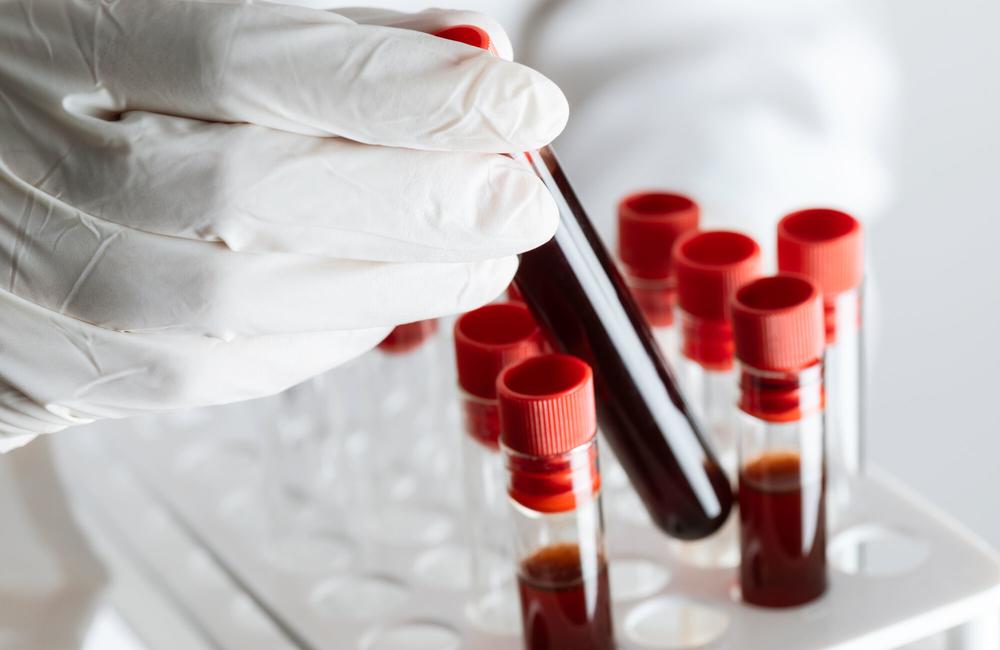
Some of these blood tests are called liver function tests. They check how well your liver is working.
Having a healthy liver is important for everybody, but it is particularly important for people with HIV. This is because your liver plays a key role in breaking down and processing medicines used to treat HIV and other infections.
It’s important to measure your liver health over time. Any ongoing damage to the liver could lead to scarring, which is also known as cirrhosis.
If cirrhosis progresses too far, the liver will no longer be able to work properly. This can lead to conditions such as internal bleeding and brain problems.
How does HIV affect your liver?
Liver disease is a significant cause of illness and death in people with HIV. This is for a range of different reasons, including the effect of the virus on liver cells.
Some people living with HIV also have the viruses that cause hepatitis A, hepatitis B, and hepatitis C. Blood tests are available to see if you have these infections, and you should be tested soon after your diagnosis with HIV.
Hepatitis A can cause a short illness, while infection with hepatitis B or hepatitis C (or both) can cause long-term, serious liver disease. If you have either or both of them the health of your liver will need to be carefully monitored.
If you don’t have hepatitis, but your doctor thinks you’re at risk of getting it, they will continue to test you regularly.
Monitoring the health of your liver can also help find these viruses. In some cases, hepatitis B or hepatitis C infection is only found because of abnormal liver function test results.
Jaundice and HIV
If your skin and eyes become yellowed you might have a condition called jaundice. If you have black or brown skin, you might only notice jaundice on the palms of your hands, soles of your feet, or the whites of your eyes.
Jaundice is caused by high levels of bilirubin – a yellow pigment that is processed by the liver – in the blood. Jaundice can be a symptom of hepatitis, or other liver problems.
If jaundice is caused by liver disease or liver damage, it is likely to happen along with other symptoms including:
- pale coloured poo (stool)
- dark pee (urine)
- being sick (vomiting)
- diarrhoea
- fever
- tiredness.
Some medications can also cause jaundice, including an HIV medication called atazanavir (Reyataz and Evotaz). However, high levels of bilirubin caused by taking atazanavir won’t cause other symptoms, won’t damage your liver, and are not dangerous.
If you have jaundice, make sure you mention this to your doctor at your next appointment, so that they can do tests to find out the cause.
If you have jaundice from taking atazanavir, and the changes to how you look are upsetting or distressing, you can talk to your doctor about changing treatment.
Liver function tests
The British HIV Association (BHIVA) recommends that people living with HIV should have regular assessments of their liver function.
You should have your liver function checked when you are first diagnosed with HIV, at regular intervals in your first six months of treatment, and then at least once a year after that.
Liver function tests look at levels of:
- liver enzymes (proteins that help your body carry out certain chemical reactions)
- bilirubin (a yellow pigment that is processed by your liver)
- albumin (a protein made by your liver).
Liver enzymes and HIV
Liver enzymes include:
- alanine aminotransferase (ALT)
- aspartate aminotransferase (AST)
- alkaline phosphatase (ALP)
- gamma glutamyl transferase (GGT).
If levels of liver enzymes are higher than normal, it can be a sign that your liver isn’t working as well as it should. For example, you might have fatty liver disease, which is also known as metabolic dysfunction-associated steatotic liver disease.
Raised liver enzymes can also be a side-effect of some anti-HIV drugs, including:
- efavirenz (Sustiva, also in the combination pill Atripla)
- rilpivirine (in the combination pills Eviplera, Odefsey and Juluca, as well as the injectable medications Rekambys and Vocabria)
- tenofovir disoproxil (Viread, also in the combination pills Truvada, Atripla, Eviplera, Stribild, and Delstrigo).
If you’re taking these medications your doctor will want to check to see how your liver is dealing with them.
Raised liver enzymes are more likely when you first start treatment, but they often go back to normal within a few years.
Physical tests of liver function
Your liver is in the upper right-hand side of your tummy (abdomen). Your doctor might examine this part of you to check your liver health.
This will involve pressing on the liver to see if it is too big (enlarged) or if it’s painful. These symptoms can indicate that the liver is inflamed, scarred, or swollen.
The liver infections hepatitis A, B, and C, as well as other liver diseases, can cause your pee (urine) to become very dark and your poo (faeces) to become pale. You may be asked to provide samples of these for testing in a lab.
Liver scans
If your doctor suspects that your liver has been damaged, then they may request imaging tests such as an ultrasound. A sensor is placed on your tummy. It uses soundwaves to create an image of your liver. This will show anything abnormal and can sometimes show evidence of scarring (cirrhosis).
Another method is called transient elastography. This is often using a machine called FibroScan. This uses echo vibration waves, similar to an ultrasound, to detect hard or stiff parts of your liver.
These procedures don’t hurt and nothing is put inside your body.
Liver biopsies
Sometimes, the only way to check the health of your liver is to test a small piece of liver tissue. This is called a liver biopsy.
A liver biopsy is done using local anaesthetic. This means you’ll be awake, but you shouldn’t feel any pain. However, it can be uncomfortable and cause some soreness.
Having a liver biopsy may involve an overnight stay in hospital, but most people can go home the same day.
Causes of liver problems
The health of your liver can be damaged by a number of things, for example:
- drinking too much alcohol
- using recreational drugs
- an unhealthy diet
- taking large doses of vitamin A
- some herbal and alternative remedies.
A number of medicines used to treat other infections can also cause liver problems. So can statins, which are used to treat high cholesterol, and drugs used to treat tuberculosis (TB).
If you’re worried about your liver health, speak to your doctor.