Having problems reading this email? View it in your browser >>
|
||
|
|
||
|
||
Contents
|
||
Antibody injections delayed HIV rebound in over half of cure trial's placebo group | ||
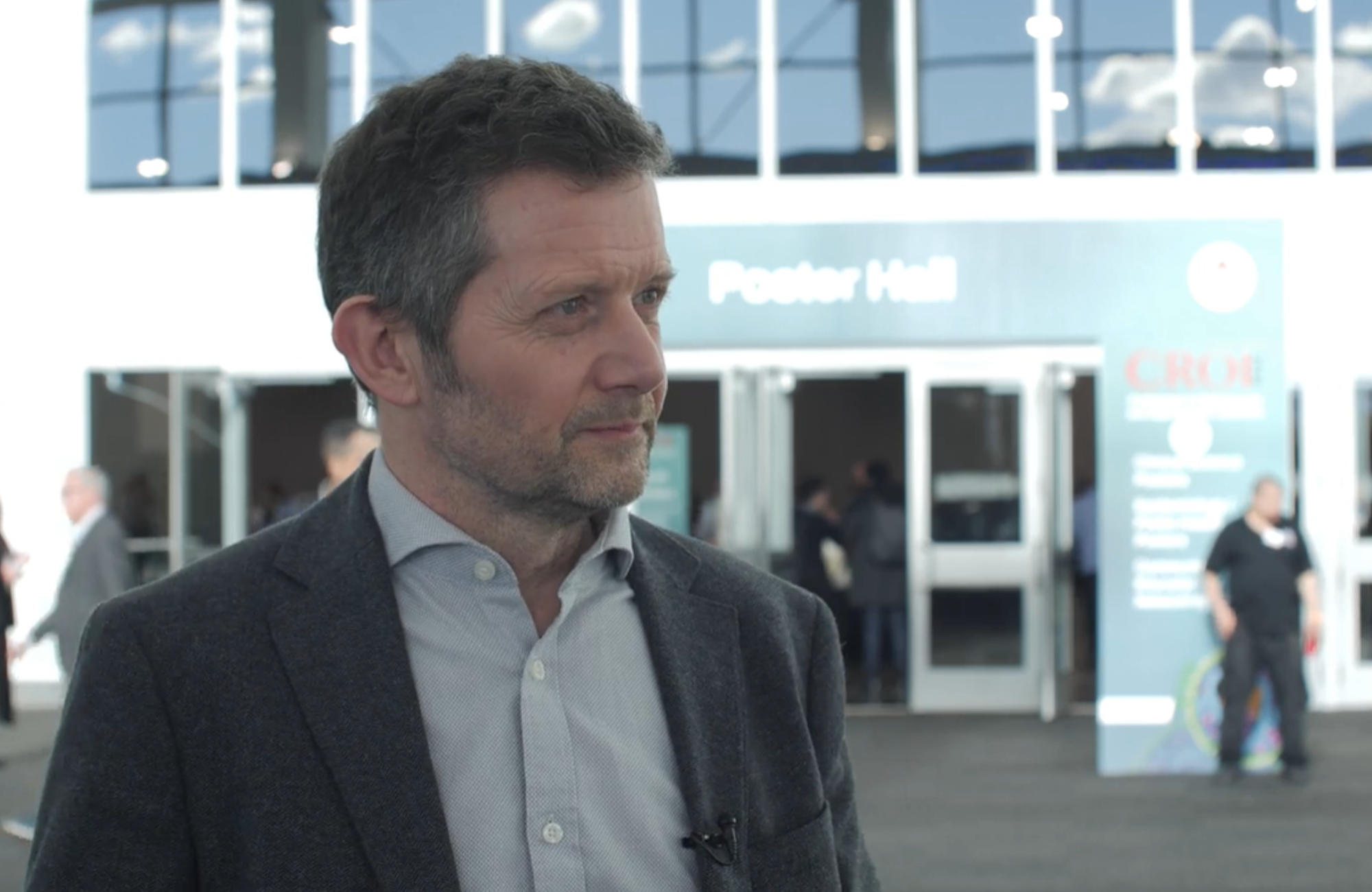 Professor John Frater at CROI 2026. Photo by Tom McDonald. | ||
|
More than half of the participants who previously received a placebo in the landmark RIO HIV cure trial experienced prolonged viral suppression after being given two broadly neutralising antibodies (bnAbs), with two remaining off antiretroviral therapy (ART) for over a year. In the trial’s first phase, these 28 participants had all rebounded rapidly when they stopped ART after taking a placebo. In the trial’s second phase, presented at the Conference on Retroviruses and Opportunistic Infections (CROI 2026) in Denver last week, they received two infusions of the bnAbs teropavimab and zinlirvimab, 20 weeks apart while on ART. Crucially, they then waited a further 24 weeks before stopping ART – ensuring the antibodies had left the body before the treatment interruption began. As RIO co-principal investigator Professor John Frater explains in the accompanying video, this means that any delayed rebound could not be attributed to the bnAbs directly suppressing the virus, but rather to lasting immunological changes they had induced. Of the 28 participants, 13 (46%) rebounded rapidly, restarting ART within nine weeks. But the remaining 15 (54%) had not rebounded 20 weeks after stopping ART – a striking result given that 95% of people who stop ART typically rebound within six weeks. Six had not rebounded by week 39, and five maintained viral loads below or around 1000 for a full year. Two participants are still off ART, including one with a completely undetectable viral load for the entire year. While the 54% non-rebound rate at 20 weeks is lower than the 65% seen in the first phase, the comparison is not straightforward. In the earlier phase, participants stopped ART immediately after receiving the bnAbs, so the antibodies were still directly suppressing the virus for part of the observation period. The second phase specifically eliminated this effect, making the sustained suppression all the more notable. The researchers also announced a third phase of the trial, which will test whether periods of viraemia between treatment interruptions could further prime the immune system, potentially enhancing the bnAbs' effects. | ||
Striking racial disparities in HIV acquisition among US trans women | ||
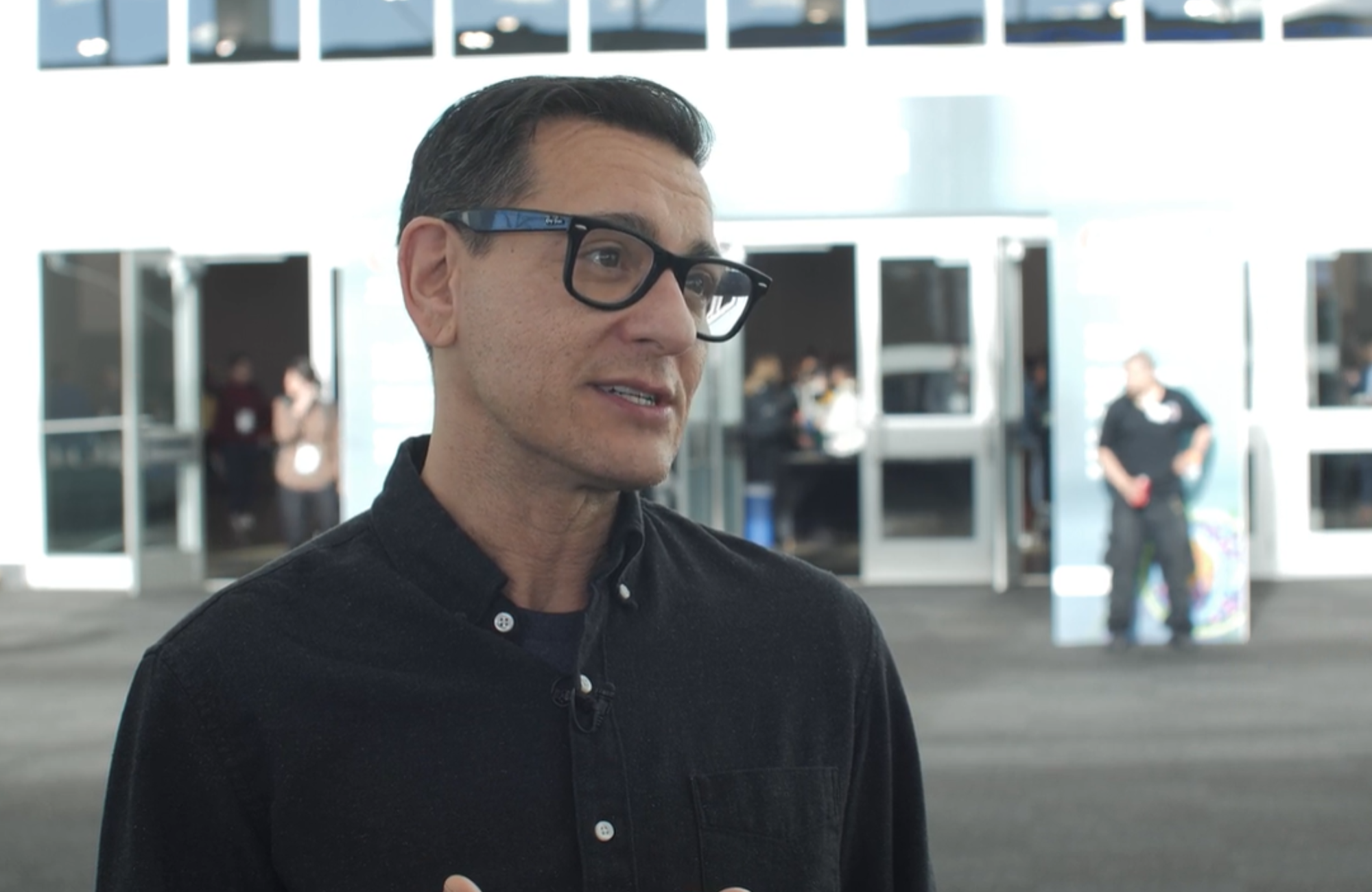 Dr Sari Reisner at CROI 2026. Photo by Tom McDonald. | ||
|
A major US cohort study has found that HIV incidence remains high among transgender women, with stark racial and ethnic disparities and strong links to structural vulnerabilities such as poverty, homelessness and lack of health insurance. The findings underline the need for tailored, gender-affirming prevention – including scale-up of long-acting injectable PrEP – at a time when the current US government actively undermining holistic health care for trans people. Dr Sari Reisner of the University of Michigan presented findings from the ENCORE cohort at CROI 2026. The study enrolled 2504 trans women (and other people assigned male at birth who do not identify as men) online and from nine hubs across the US, including Puerto Rico. Participants took part for two years, with surveys and HIV testing every six months. They had a median age of 32; most were White (78%), with 12% Black and 5% Asian, and 16% identifying as Latina. Nearly half had public or no health insurance, 30% reported poverty, and 72% had experienced lifetime violence. There were 39 new HIV diagnoses, giving an overall incidence of 3.95 per 1000 person-years. Disparities were sharp: Black trans women had an incidence of 15.5, compared with 1.4 among White trans women. Latina trans women had an incidence of 7.5 versus 3.3 for non-Latina women. Structural factors were strongly associated with HIV acquisition. Those who were unhoused had four times the risk; sex work was linked to five times the risk; and poverty to six times the risk. Those with public or no insurance had nearly 14 times the risk compared with those with private insurance. Stimulant use was associated with over six times the risk. Those who reported PrEP use also had higher HIV incidence, likely reflecting challenges with consistent access and adherence to oral PrEP. Only 4% of PrEP users were taking long-acting injectable PrEP. "The association of PrEP uptake with HIV seroconversion suggests opportunities for scale-up of long-acting injectable PrEP in this study population," Reisner noted. He stressed the importance of continued gender-inclusive research "especially as we have erasure of the population from our federally funded datasets." | ||
Home visits and flexible PrEP slash HIV incidence in rural East Africa | ||
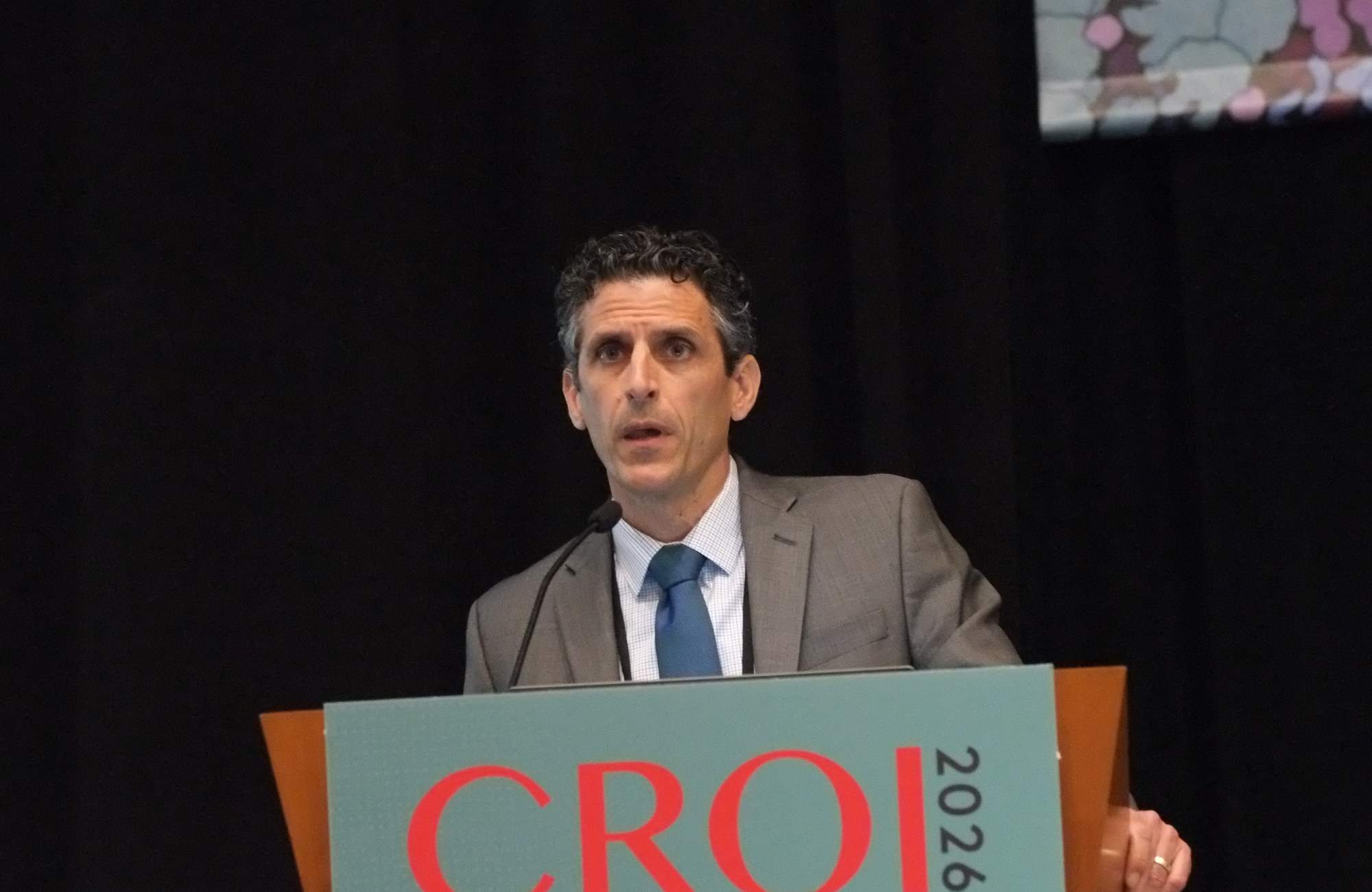 Professor Gabriel Chamie at CROI 2026. Photo by Roger Pebody. | ||
|
A community-based intervention combining home visits, HIV testing and flexible access to prevention products reduced new HIV infections by 70% over two years in rural Kenya and Uganda, according to results presented at CROI 2026. The cluster-randomised trial enrolled over 84,000 participants across 16 communities in rural Kenya and Uganda. Half were randomised to continue standard care, while the other half received an enhanced intervention. In the enhanced arm, community health workers made quarterly home visits, offered HIV testing, and referred people to clinics for prevention or treatment. HIV-negative participants who anticipated potential exposure could access dynamic choice prevention – allowing them to switch between oral PrEP, the dapivirine ring or advance supplies of post-exposure prophylaxis, all according to their changing needs. A smartphone app helped workers co-ordinate visits, track referrals and flag missed clinic appointments. More than half the participants were women, with a median age of 31. HIV status was ascertained in 95 to 96% of participants and testing for recent infection was near-universal. After two years, there were just seven recent infections in intervention communities compared with 22 in control communities – a 70% reduction in HIV incidence. The reduction was significant across most subgroups, although the difference among men did not reach statistical significance, likely because HIV incidence among men was already low. Biomedical prevention uptake was four times higher in the intervention arm than the control arm. Notably, there were no significant differences between the two arms in knowledge of HIV status, treatment coverage or viral suppression among people living with HIV – suggesting that the incidence reduction was driven primarily by increased prevention coverage. Presenting the findings, Professor Gabriel Chamie of the University of California, San Francisco, said the intervention was designed with Kenya's and Uganda's ministries of health to leverage existing resources. However, the study took place in rural areas with already high viral suppression rates, and its impact in urban settings remains uncertain. "What's critical to dynamic choice prevention is having access to a range of prevention options – choice of options is key," Chamie said. | ||
Broadly neutralising antibody plus cabotegravir controls HIV for a year | ||
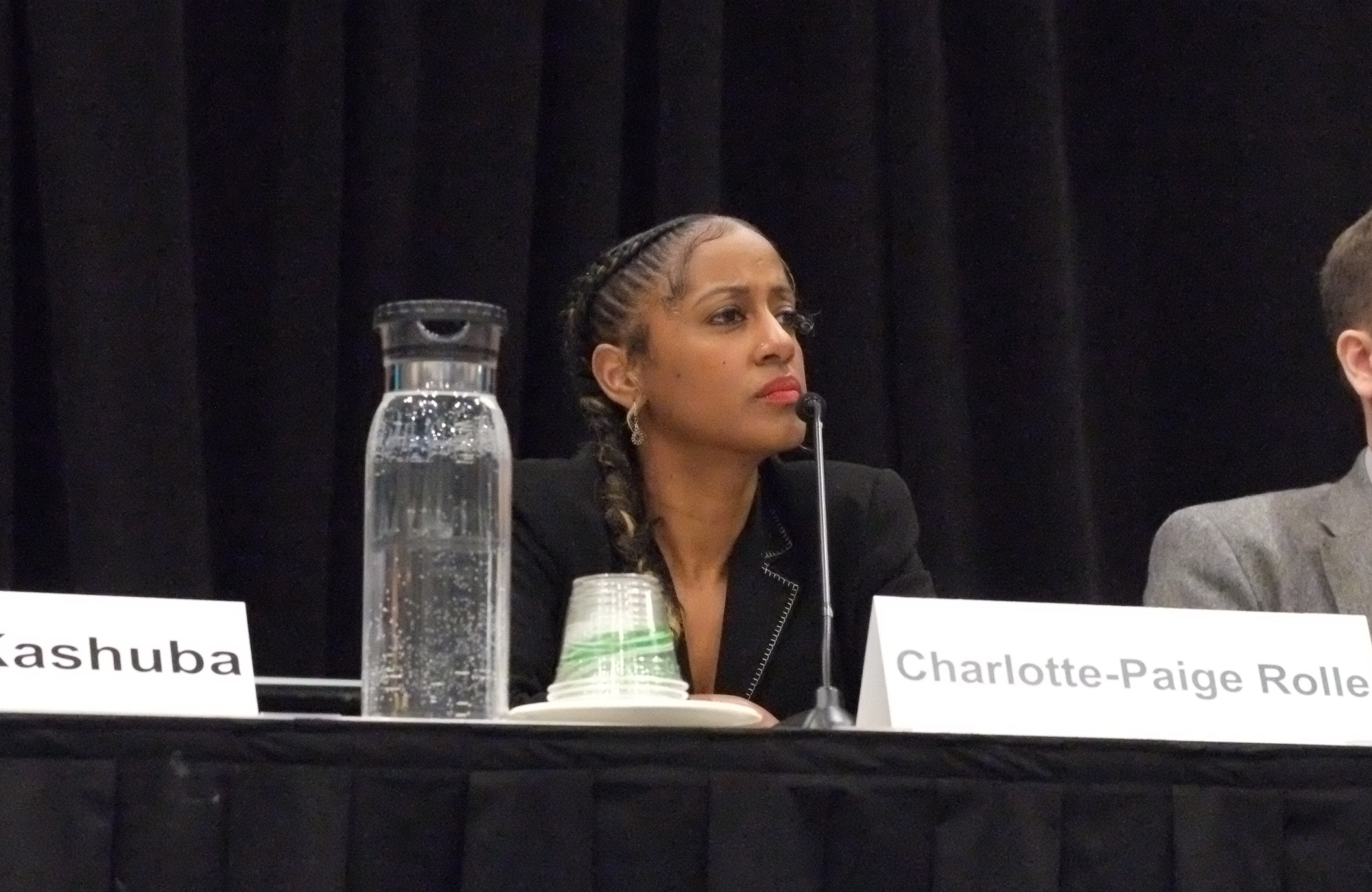 Dr Charlotte-Paige Rolle at CROI 2026. Photo by Roger Pebody. | ||
|
A combination of the broadly neutralising antibody lotivibart (N6LS), given by intravenous infusion every four months, plus monthly cabotegravir injections maintained viral suppression in 94% of participants at one year, according to results from the EMBRACE study presented by Dr Charlotte-Paige Rolle of the Orlando Immunology Center. The phase IIb trial enrolled 125 adults with HIV who were on stable antiretroviral therapy with undetectable viral loads. Participants were randomised to receive lotivibart by either intravenous infusion or subcutaneous injection, each combined with cabotegravir, or to stay on their existing oral regimen. At 12 months, viral suppression rates were 94% with lotivibart infusions, 82% with lotivibart injections, and 88% with standard oral therapy. Two people in the injection group developed cabotegravir resistance mutations. Tolerability differed significantly between formulations. Only 8% of infusion recipients reported infusion or injection site reactions, compared with 51% of those receiving subcutaneous injections. Three people in the injection group discontinued treatment due to side effects, compared with none in the infusion group. Based on these results, the intravenous formulation was selected to move forward. Part 2 of the trial, testing lotivibart infusions every six months plus cabotegravir every two months, is now fully enrolled. | ||
Doravirine/islatravir matches Biktarvy in first-line HIV treatment | ||
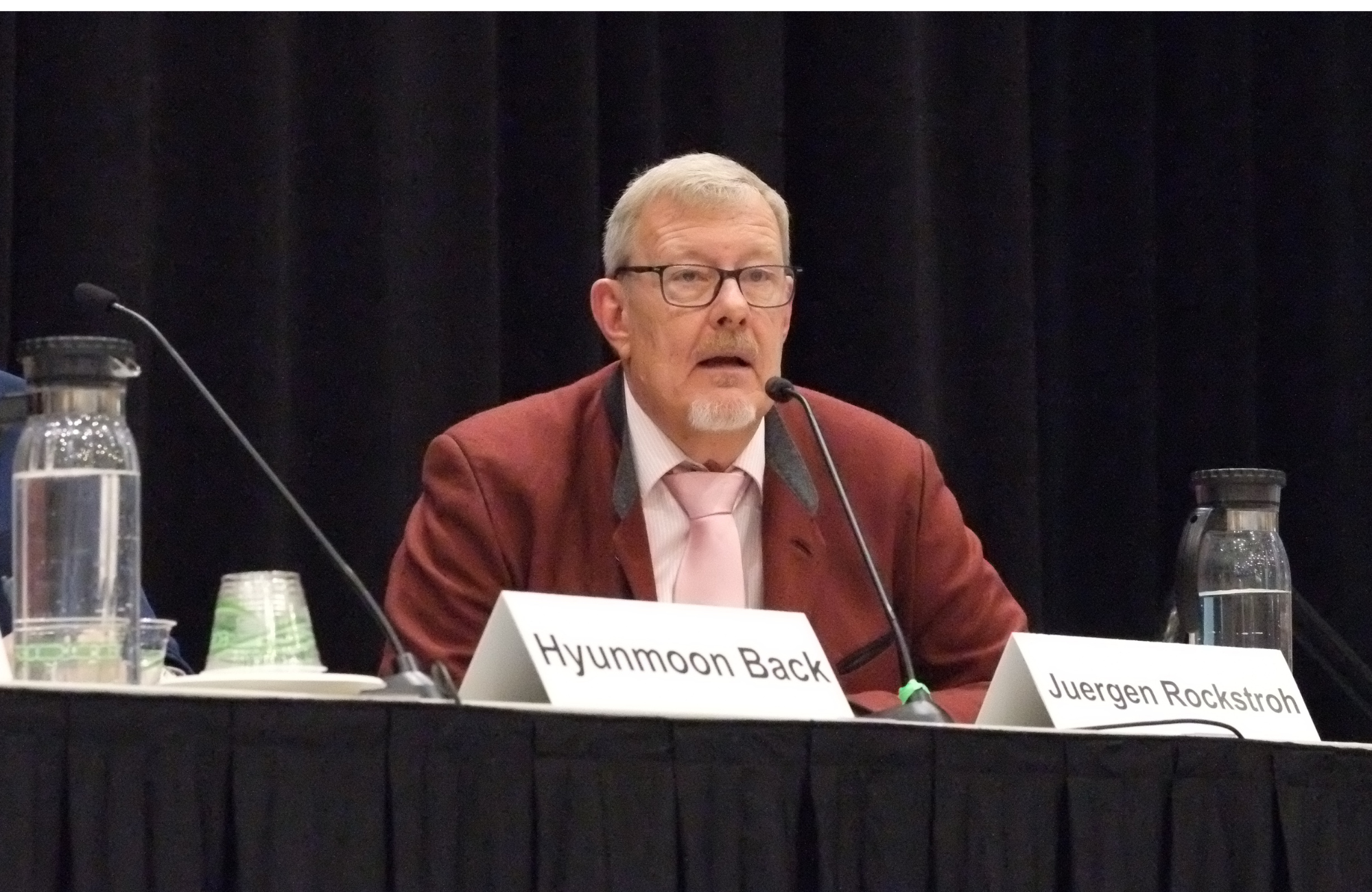 Professor Jürgen Rockstroh at CROI 2026. He is talking into a microphone. | ||
|
A phase III trial has found that a once-daily two-drug combination of doravirine and islatravir works just as well as one of the most widely used three-drug regimens in people starting HIV treatment. Professor Jürgen Rockstroh of the University of Bonn presented the results at CROI 2026, showing that the new regimen could offer another effective option for first-line therapy. In the study, 536 adults with HIV-1 who had never received antiretroviral therapy were randomly assigned to take either doravirine (100mg) plus islatravir (0.25mg) once daily, or the standard Biktarvy combination of bictegravir, emtricitabine and tenofovir alafenamide. People with prior treatment or known resistance mutations were excluded. Participants came from 20 countries and represented a range of ages, sexes and different regions. The main measure of success was the proportion of participants with an HIV viral load below 50 after 48 weeks. At week 48, 91.8 % of those on doravirine/islatravir achieved viral suppression compared with 90.6 % on Biktarvy, meeting the study’s non-inferiority goal. Viral suppression was similar across participants with higher baseline viral loads or lower CD4 counts, and both regimens were generally well tolerated. Side effects such as weight gain and headache were similar between groups. Two people in the doravirine/islatravir group developed drug resistance, linked to non-adherence and high viral load at baseline; no resistance emerged in the triple-therapy group. Although people with active hepatitis B were excluded from the study, three participants acquired the virus in the doravarine/islatravir group. This combination does not contain tenofovir (which is active against hepatitis B), and some experts believe vaccination should be obligatory in studies of two-drug HIV treatment regimens without tenofovir. Rockstroh described the findings as showing a “two-drug, integrase inhibitor-sparing option” for first-line treatment. | ||
HIV status does not affect long-term liver transplant outcomes, 15-year study finds | ||
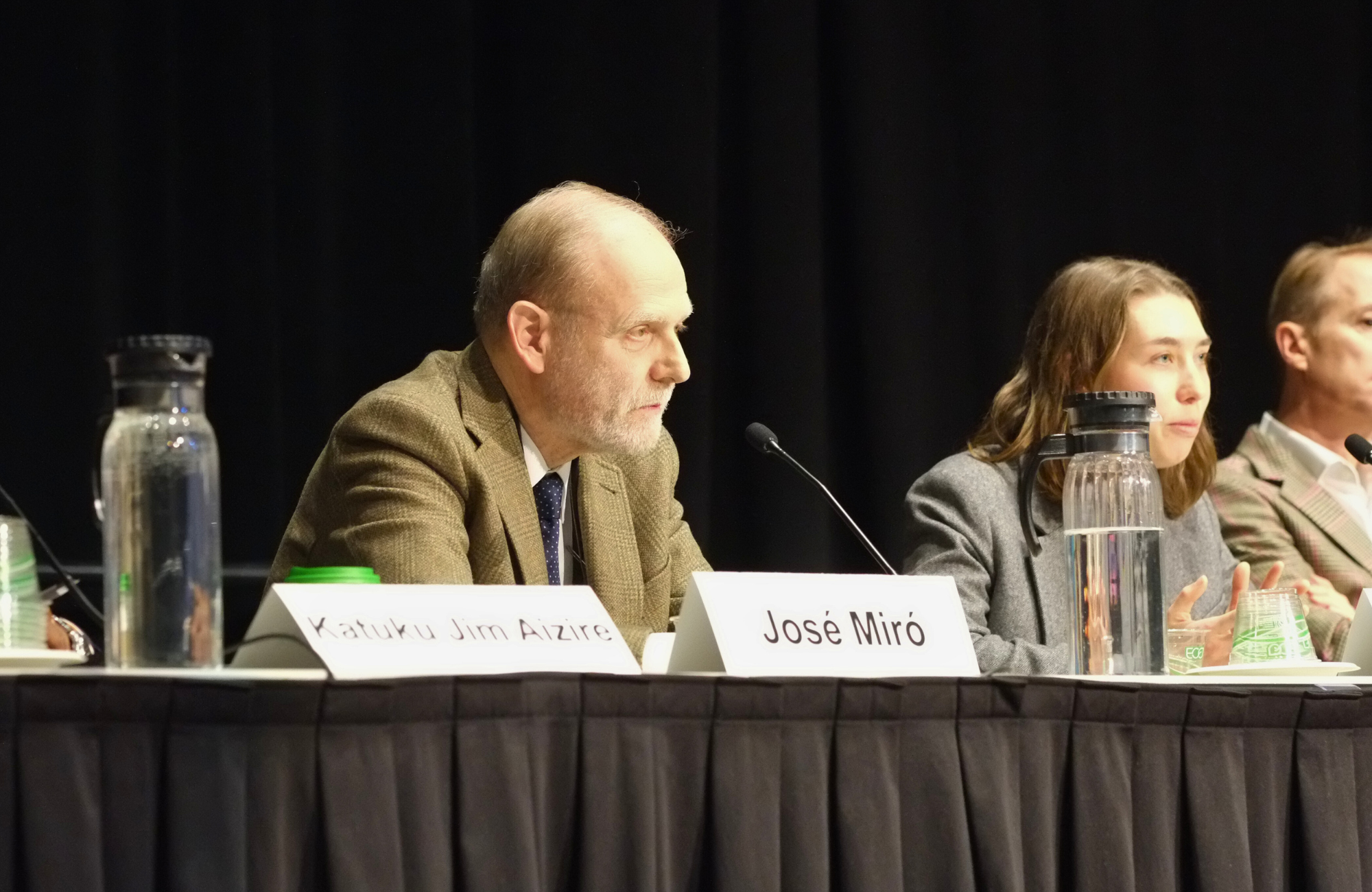 Dr José Miró at CROI 2026. Photo by Roger Pebody. | ||
|
People with HIV who received liver transplants were just as likely to survive and not experience graft failure as people without HIV during a median of 12-years follow-up, with some followed for as long as 16 years, Spanish researchers reported. Researchers from four centres carried out a retrospective case-control study in which they followed 85 people with HIV who received liver transplants between 2003 and 2012 and matched each patient with three HIV-negative liver transplant recipients. Most participants had hepatitis C or B, and a history of injecting drug use. “These results are encouraging and support liver transplants in people with HIV when clinically indicated,” Professor Jose Miró of the University of Barcelona Hospital Clinic told the conference. | ||
Machine learning: shortcut or short circuit for HIV care? | ||
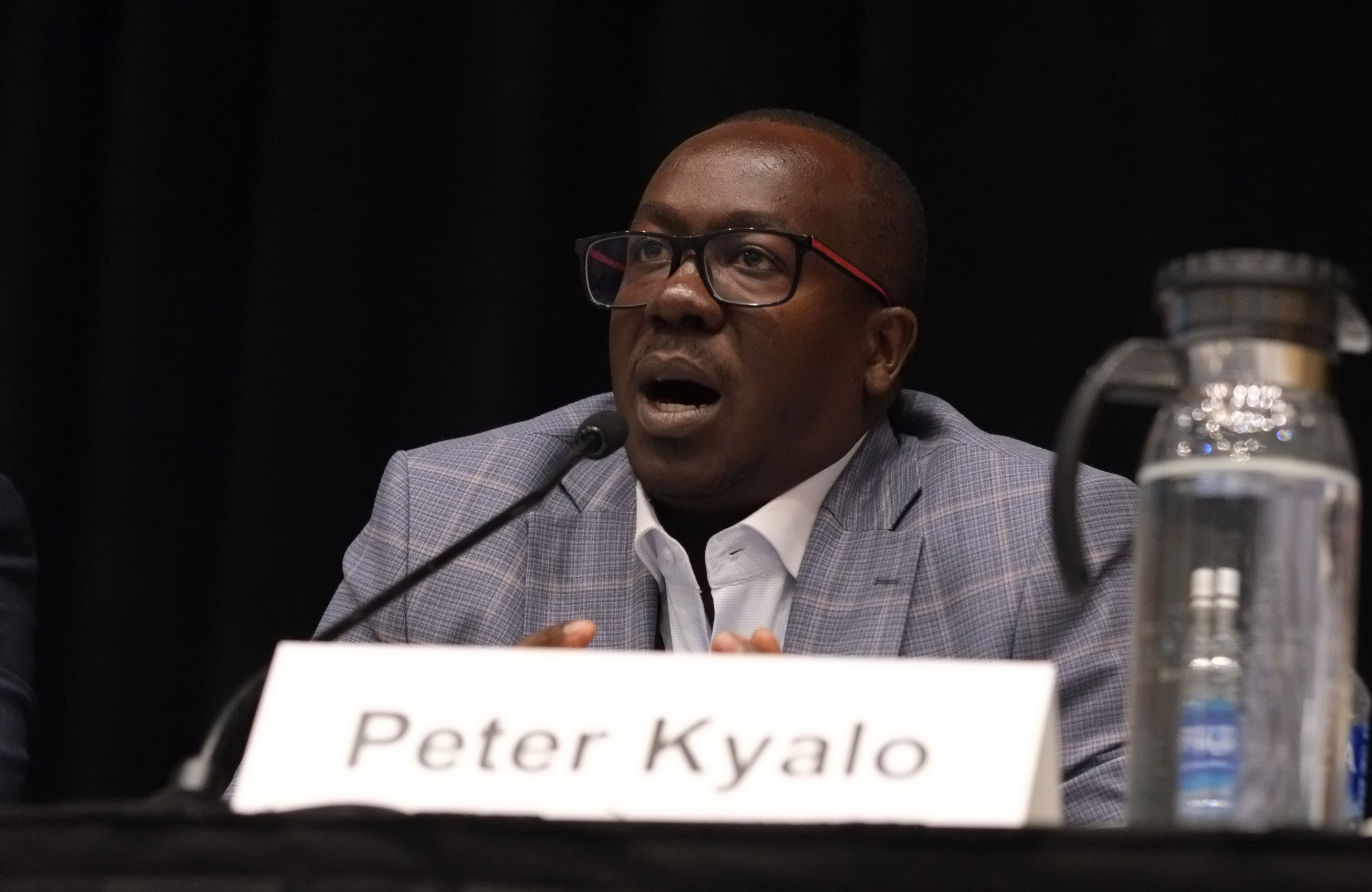 Dr Peter Kyalo at CROI 2026. Photo by Roger Pebody. | ||
|
Researchers at CROI 2026 in Denver highlighted the use of machine learning – a type of artificial intelligence – to target testing and support retention in care in Kenya. Machine learning uses large datasets to identify patterns and make predictions. Instead of following fixed rules, algorithms ‘learn’ from existing data – such as clinic records – to estimate outcomes like who might miss an appointment or who may be at higher risk of HIV. The goal is to help services focus limited resources more effectively. Dr Peter Kyalo of the Centre for International Health, Education and Biosecurity presented a retrospective study conducted in 58 health facilities in Kenya. Using routine health data, a machine learning model assigned people to HIV risk categories based on factors including age, sexual history and prior testing. HIV positivity increased steadily from low- to very high-risk groups, suggesting the tool could help prioritise testing where capacity is stretched. People placed in the “very high risk” group by the AI model were 22 times more likely to be diagnosed with HIV than individuals classified as “low risk”. In a separate study, Dr Joseph Hogan of Brown University developed a model to predict which people living with HIV were likely to miss their next clinic visit. About 27% of clients were flagged as high risk. Targeted outreach phone calls and messages to these individuals were associated with improved return-to-care rates, although contacting people reliably remained challenging. Despite these positive signs, speakers highlighted that predicting health outcomes remains difficult and that ethical questions around confidentiality and data use must be resolved. “We’ve been told that [AI] is going to revolutionise public health, it’s going to revolutionise our healthcare system,” commented Dr Ravi Goyal of the University of California, San Diego. “Don’t get me wrong, machine learning and generative AI are very impressive in demos and in labs, but that doesn’t mean that it always translates into better patient outcomes.” | ||
Connect with us




|
||
|
aidsmap is an award-winning, community-based organisation, which works from the UK. We deliver reliable and accurate HIV information across the world to HIV-positive people and to the professionals who treat, support and care for them.
NAM Publications
Cally Yard, 439 Caledonian Road, London N7 9BG Company limited by guarantee. Registered in England & Wales, number: 2707596 Registered charity, number: 1011220 To unsubscribe please click here Privacy Policy: www.aidsmap.com/about-us/confidentiality |