
Key points
- Many anti-HIV medications do not have any food interactions or requirements.
- Some medications need to be taken with food to be most effective.
- Efavirenz should be taken on an empty stomach.
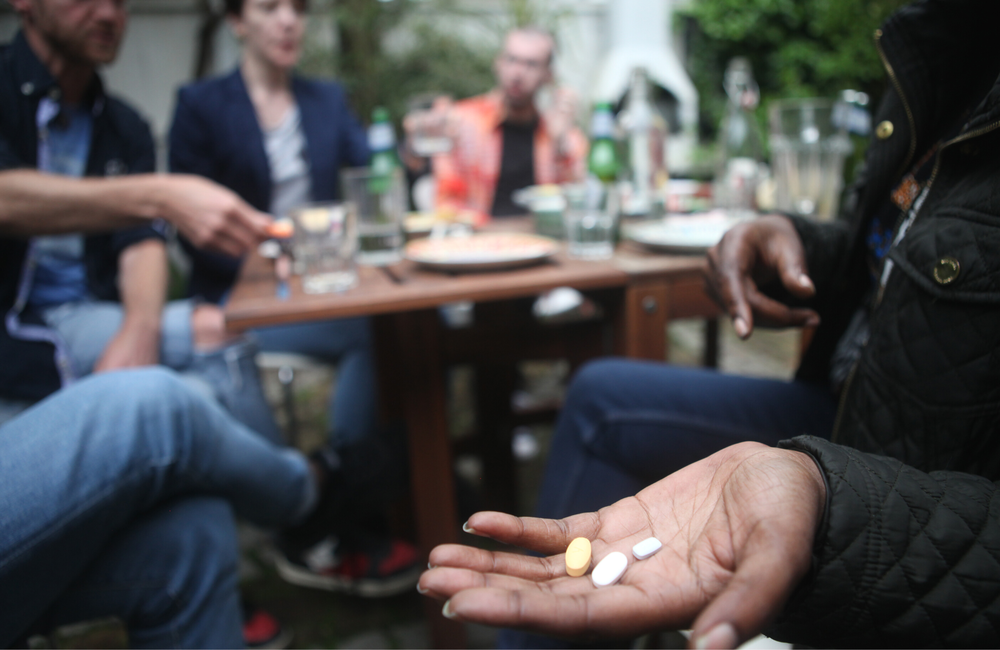
Many anti-HIV medications can be taken with or without food. However, some of them need to be taken with food to be the most effective. You might also be told to take your medication with food if you have certain side effects.
What works for you might not work for someone else. Let your doctor know if you have any preferences or concerns about food restrictions. This will help them work out a treatment that’s right for you.
Taking HIV medication with food
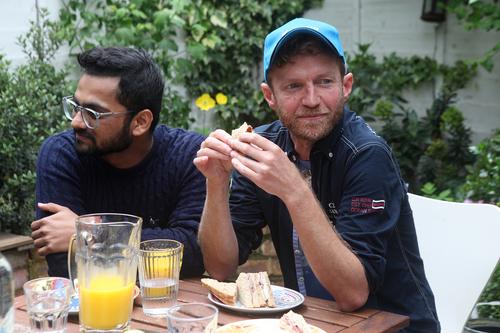
Some HIV medications need to be taken with food. This is because food helps them to be absorbed effectively or reduces side effects such as nausea. Some people worry this will affect the time they can eat meals, but you usually don’t need to eat a full meal with your medicine. A large snack, such as a bowl of cereal or a piece of toast, is often enough.
However, if you take rilpivirine (Edurant, also in Eviplera, Juluca, and Odefsey), you must take it with a main meal.
You might also be concerned about people seeing you take medications while you’re eating meals. However, you can usually take your tablets just before or after eating if they need to be taken with food.
You can always ask your HIV clinic team about how much food you need to eat with your medication, and when you need to eat it.
Some people want to break up their tablets so they can add them to their food. However, you shouldn’t chew, crush, or split your tablets unless your doctor or pharmacist tells you it’s safe to do so. Many HIV medications can’t be taken in this way.
Which anti-HIV medications should be taken with food?
When you are prescribed your medication you should be given written information about how to take it. This should include information about dietary (food) restrictions. Ask your doctor, pharmacist, or dietitian if you would like more information about your diet and anti-HIV medication.
Below is a list of food requirements for anti-HIV medications. The medications are in alphabetical order based on their ‘generic’ name. The generic name is based on the ingredients that are in the medication. Most medications also have a ‘brand’ name. This is the name given to the medication by the company that sells it. Brand names are listed in the second column.
The information here is about medication that you take by mouth. This includes pills you swallow, tablets you add to water (dispersible tablets), and liquid medications. If you take your medication as an injection there are no food restrictions.
The information below is based on how the medications are licensed in Europe and the UK.
| Image |
Generic name
|
Brand name |
Requirements |
Notes |
|
 |
Ziagen |
Take with or without food |
|||
|
|
Kivexa |
Take with or without food |
|
||
|
|
Reyataz |
Take with food |
This makes sure your medication is absorbed properly. |
||
 |
Evotaz |
Take with food |
This makes sure your medication is absorbed properly. |
||
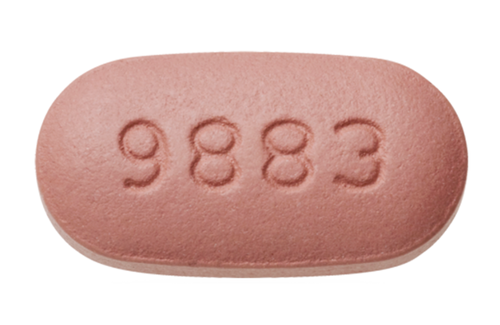 |
Biktarvy |
Take with or without food |
|||
|
Vocabria |
Take with or without food |
When taken at the same time as rilpivirine pills, cabotegravir pills should be taken with a meal. |
|||
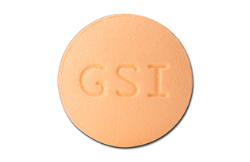 |
Tybost |
Take with food |
This makes sure your medication is absorbed properly. |
||
|
|
Prezista |
Take with food |
Take within 30 minutes of eating. This makes sure your medication is absorbed properly. |
||
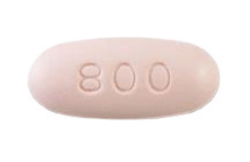 |
Rezolsta |
Take with food |
Take within 30 minutes of eating. This makes sure your medication is absorbed properly. |
||
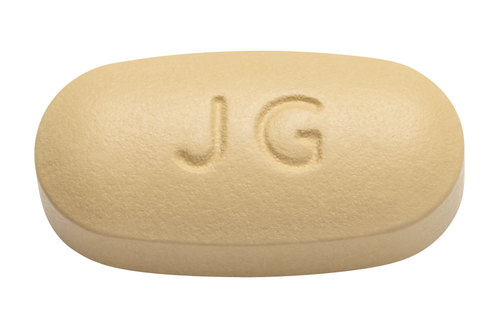 |
darunavir, emtricitabine, and tenofovir alafenamide with cobicistat |
Symtuza |
Take with food |
This makes sure your medication is absorbed properly. |
|
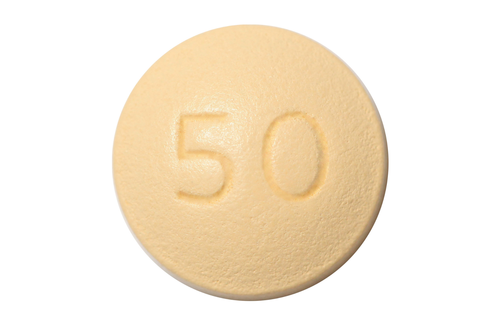 |
Tivicay |
Take with or without food |
If you have some resistance to integrase inhibitors, you will be asked to take it with food. |
||
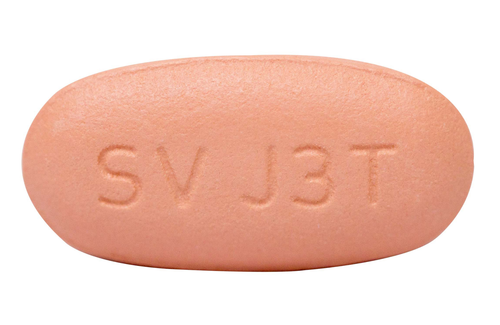 |
Juluca |
Take with a main meal |
This makes sure your medication is absorbed properly. |
||
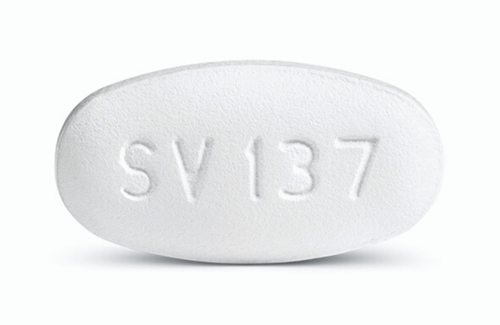 |
Dovato |
Take with or without food |
|||
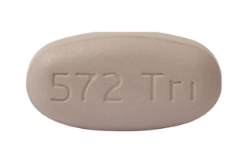 |
Triumeq |
Take with or without food |
|||
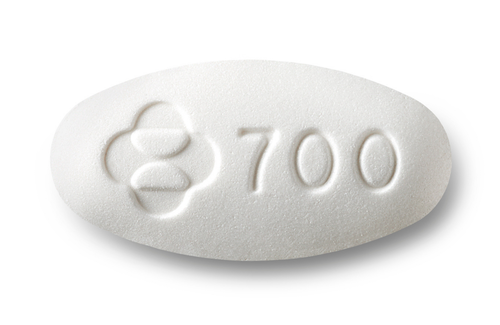 |
Pifeltro |
Take with or without food |
|||
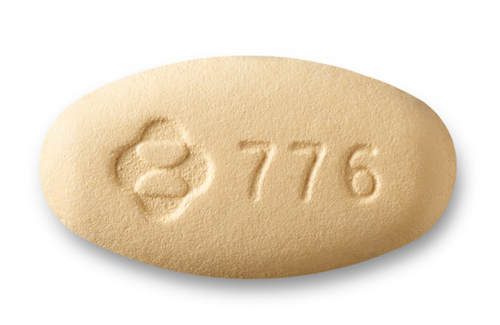 |
Delstrigo |
Take with or without food |
|||
|
|
Sustiva |
Take on an empty stomach |
See the section 'Can I take efavirenz with food?' below for more information |
||
|
|
Atripla |
Take on an empty stomach |
See the section 'Can I take efavirenz with food?' below for more information |
||
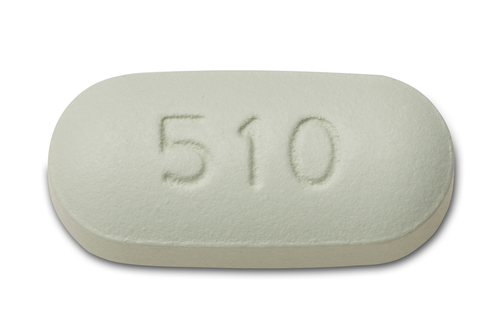 |
elvitegravir, emtricitabine, and tenofovir alafenamide with cobicistat |
Genvoya |
Take with food |
This makes sure your medication is absorbed properly. |
|
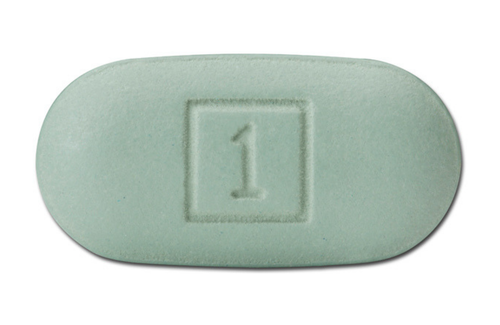 |
elvitegravir, emtricitabine, and tenofovir disoproxil with cobicistat |
Stribild |
Take with food |
This makes sure your medication is absorbed properly. |
|
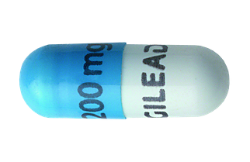 |
Emtriva |
Take with or without food |
|||
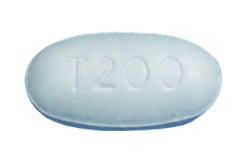 |
Intelence |
Take with or after a meal |
This makes sure your medication is absorbed properly. |
||
|
Rukobia |
Take with or without food |
||||
|
|
Combivir |
Take with or without food |
Taking with food may reduce nausea. |
||
|
|
Epivir |
Take with or without food |
|||
|
Sunlenca |
Take with or without food |
||||
|
|
Kaletra |
Take with or without food |
If you’re taking the oral solution (liquid) it should be taken with food. |
||
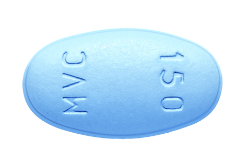 |
Celsentri |
Take with or without food |
|||
|
|
Viramune |
Take with or without food |
|||
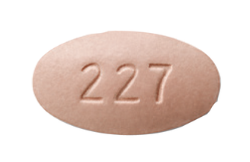 |
Isentress |
Take with or without food |
|||
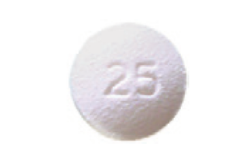 |
Edurant |
Take with a main meal |
This makes sure your medication is absorbed properly. |
||
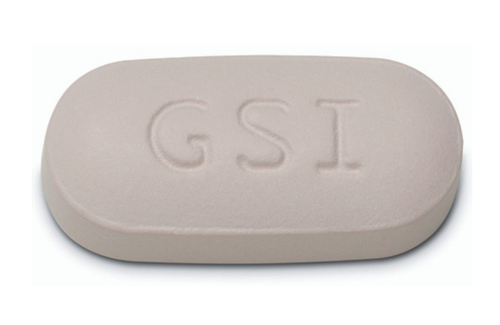 |
Eviplera |
Take with food |
This makes sure your medication is absorbed properly. |
||
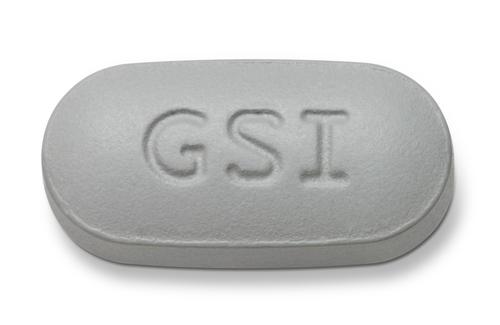 |
Odefsey |
Take with a main meal |
This makes sure your medication is absorbed properly. |
||
|
|
Norvir |
Take with food |
This can help to reduce nausea. |
||
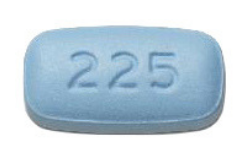 |
Descovy |
Take with or without food |
|||
|
|
Viread |
Take with food |
This makes sure your medication is absorbed properly. |
||
|
|
Truvada |
Take with food if possible |
This makes sure your medication is absorbed properly. |
||
|
|
Retrovir |
Take with or without food |
Taking with food may reduce nausea. |
||
Can I take efavirenz with food?
It’s recommended that the anti-HIV drug efavirenz is taken on an empty stomach to reduce any side effects. This means waiting for two hours after you eat something before you take your medication. You should then wait at least one hour after taking your medication before you eat again. Many people find it helpful to take efavirenz just before they go to bed.
Some people do choose to take efavirenz with food. If you take it with food, you should avoid taking it at the same time as a high-fat meal. This is because a high-fat meal will mean the amount of medication in your system is too high and this could make side effects worse.
Efavirenz used to be sold under the brand name Sustiva. It’s also available in a combination pill with emtricitabine and tenofovir disoproxil which used to be sold under the brand name Atripla.
Thanks to Silma Shah for her advice.