Back to contents

Your own feelings about having HIV

Stigma can be hard to deal with. One important reason why this is the case is that some people with HIV stigmatise themselves. Consciously or not, some people with HIV think that their identity and worth have been damaged or spoiled because they have HIV.  This is sometimes called 'internalised stigma'.

It might be helpful to remember that HIV is just an infection. It isn’t a moral judgement or a punishment.

If you feel guilty about contracting HIV then it is really important to try and deal with these feelings so that you can come to terms with your HIV diagnosis. This can be easier said than done and for some people it is a long and painful process. It could involve facing up to some deep-seated negative feelings about yourself. Many people find support groups, counselling or psychotherapy helpful.

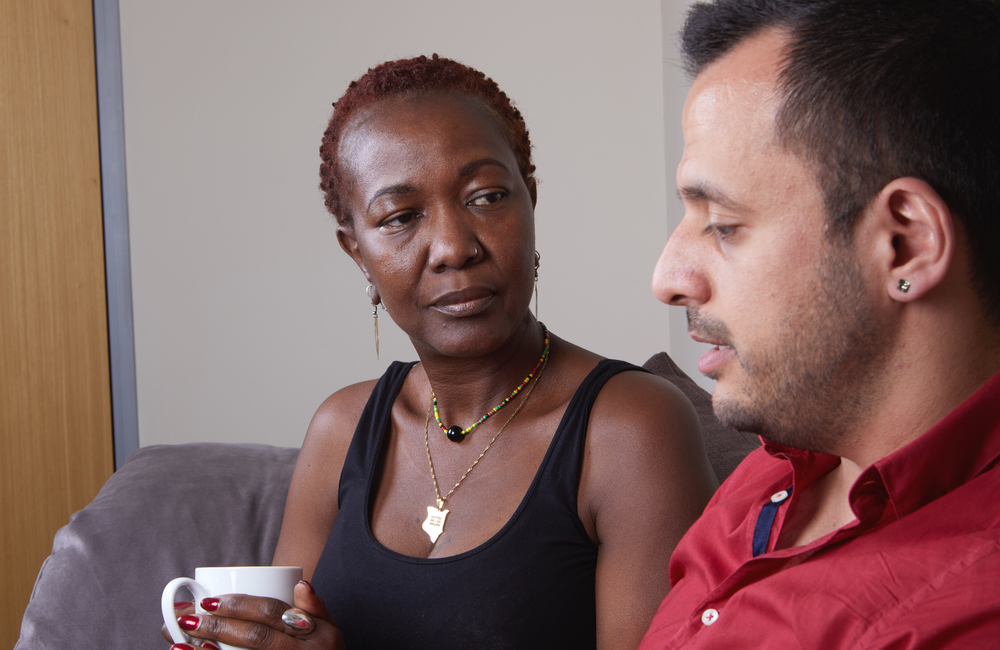
Talking to someone close to you about your diagnosis and how you feel about HIV and its effect on your life can really help.

Hardly anyone knows that I have HIV. I really don’t have anyone to talk to about what I’m going through. That can make life harder. But things are easier to cope with when I tell myself that it’s okay to be who I am.

I used to think that people with HIV were dirty and deserved what they’d got. I was devastated when I found out that I had HIV.  I became one of those people.

But remember, even if you don’t feel able or ready to tell friends, family or loved ones that you have HIV or about your feelings, there is support available from organisations who can help. A good place to start is THT Direct (0845 1221 200), where there are trained staff who you can talk to in confidence about your feelings and concerns. They will also be able to direct you to other organisations who can help.

There are other ways that you might self-stigmatise. For example, if you feel that you’re different from other people, you might avoid socialising and end up isolating yourself, cutting yourself off from valuable sources of friendship and support.

An HIV diagnosis makes some people feel that they are sick, even though HIV is causing them no health problems. This can mean that they take on the identity of a seriously ill person, excluding themselves from activities and opportunities that are available to them.

I had a CD4 cell count of 500 and was very well when I was diagnosed with HIV. But I decided to leave work and prepare for the worst. The worst never happened.

HIV treatment is getting better all the time, and HIV is becoming a manageable infection. To put it simply, most people will now die with, not of , HIV.

It can be upsetting if your experience of HIV seems different to the norm, for example if you become unwell because of HIV or find that treatment causes you problems. Some people blame themselves if they become ill because of HIV. And some side-effects are more likely to cause people to be self-conscious, such as the body-fat changes (lipodystrophy) that some (rarely used) anti-HIV drugs can cause. You can find out more about lipodystrophy in the NAM booklet, Side-effects and THT’s booklet, Your Shape.

What an irony. I never looked unwell before I started taking meds. The drugs might have saved my life, but they made it so obvious that I have HIV. But I’ve stopped treatment with these drugs now and had treatment on the fat loss in the face my drugs caused.

Some people with HIV also have other health problems which can add to a sense of stigma. These include hepatitis B virus and, increasingly, hepatitis C virus. This is because they are spread in ways similar to HIV. Hepatitis C in particular is associated with ‘taboo’ behaviours like injecting drug use, unprotected sex, and sexual activities like fisting. There’s more on these infection in the NAM booklets, HIV and hepatitis and HIV and sex.

People with HIV are more likely to report mental health problems such as depression. Internalised stigma can be a cause of depression. That’s one reason why it’s important to talk to someone you trust about your feelings about having HIV and your experiences of stigma. It’s also good to know that treatments for depression work well in people with HIV.

Mental health problems are often stigmatised in our society and many people with depression feel too ashamed to seek treatment that could make a real difference to their life. Don’t let being depressed become another source of stigma. Good places to start to find out about this subject so you can get the treatment and support you need are the NAM booklet, HIV, mental health and emotional wellbeing and the THT booklet, Your Feelings.

Everybody just keeps telling me to ‘think positive.’ Being HIV-positive isn’t something to be positive about and I should be allowed to say that - it’s what I feel.  I’ve managed to live a full life with HIV, but to do this it was important to acknowledge what having HIV meant to me.

Having HIV can make life harder, and the feelings of stigma and exclusion that many people with HIV experience from time to time are sometimes the reason. Admitting that what you’re experiencing is causing you problems or unhappiness can be essential first steps to finding a solution. The way you do this will depend on your character and circumstances, but in the following section we’ll look at some ways you can deal with stigma.

The Information Standard Certified Member