
Key points
- It’s important to build a trusting relationship with your doctor and healthcare team.
- Preparing for your medical appointments will help you get the most out of them.
- If problems occur, you may need to discuss the issue or make a complaint.
Over your lifetime, you'll see a specialist HIV doctor and other staff at an HIV clinic fairly regularly. The relationship you’re able to build with your healthcare team is one of the most important you will have after you’ve been diagnosed with HIV.
Another factsheet describes HIV clinic services and the type of staff you might see.
It may take a while to find the right kind of doctor and clinic for you. Friends may be able to make recommendations, but building up those relationships will take time. You may not develop a rapport with the staff at the first clinic you go to. Establishing a trusting relationship with your doctor is essential if you are going to be able to take an active role in your health care, and to make informed decisions about your treatment options, or any other aspects of looking after your health.
Effective healthcare teams
It is very important that the staff in your healthcare team have good interpersonal skills, and many do. Feeling confident that your HIV doctor, nurses and other staff at the clinic have up-to-date knowledge about HIV and its treatment is important in helping you develop trust. Staff should take the trouble to explain things to you, be sensitive to personal issues raised by you, be good listeners, and be able to provide you with a range of options.
You should be able to expect your healthcare team to be open, frank and communicative with you, and to be clear when they don’t know the answer to your questions.
Effective patients
To be an effective patient you will need to be involved in your own care. Exactly what this means depends on the type of person you are. Some people will want to take a more active role in their health care and have clear ideas about what kind of treatments they do or do not want to use. Others would prefer to look to their doctor for guidance.
Being prepared for your consultations is a joint responsibility. It's a good idea to ask questions until you understand. If you are likely to forget what your doctor tells you then you might find it useful to make notes. If you are likely to forget which questions you would like to ask, you could make a list of them before you go to your appointment. It can be helpful to think about how your health has been since your last appointment, and changes there have been in your own management of your care. Try to be honest about anything that might be relevant, including telling clinic staff if you think you’ll find doing something they suggest difficult.
It’s also worth remembering that if you attend your clinic without an appointment, your regular doctor may not be available.
Participation and partnership
During the course of your relationship, it’s likely there will be some issues upon which you and someone on your healthcare team don’t agree. It’s important that you learn how to manage these situations. If you become unhappy over a disagreement with your doctor, you may want to ask someone to come along to an appointment to support you while you explain how you feel about the situation. That could be a friend or family member, or you could invite a patient advocate along.
Some hospitals may have a staff member who can act as your advocate, or your local HIV organisation may be able to help. In the UK, you can find your nearest PALS (patient advice and liaison service) office on the NHS Choices website. You can also ask your GP surgery, hospital or phone NHS 111 for details of your nearest PALS.
If you are very unhappy with the treatment you have received, or the behaviour of any staff member at your clinic, you can make a complaint. Your HIV clinic will have a complaints procedure. You can ask for a copy when you first attend the clinic, or at any time. If you start by making the complaint directly to the service, it may be possible to resolve the situation at that stage without making a formal complaint. If not, or if you don’t feel comfortable complaining to clinic staff, you can make the complaint using the NHS complaints process.
If you decide you don’t want to continue your relationship with your doctor, this need not be a reason to move to another clinic – most clinics allow switching between doctors.
In the UK you can choose the clinic at which you are treated and you can switch your care to another hospital in your area providing HIV services (if there is one) or even another city.
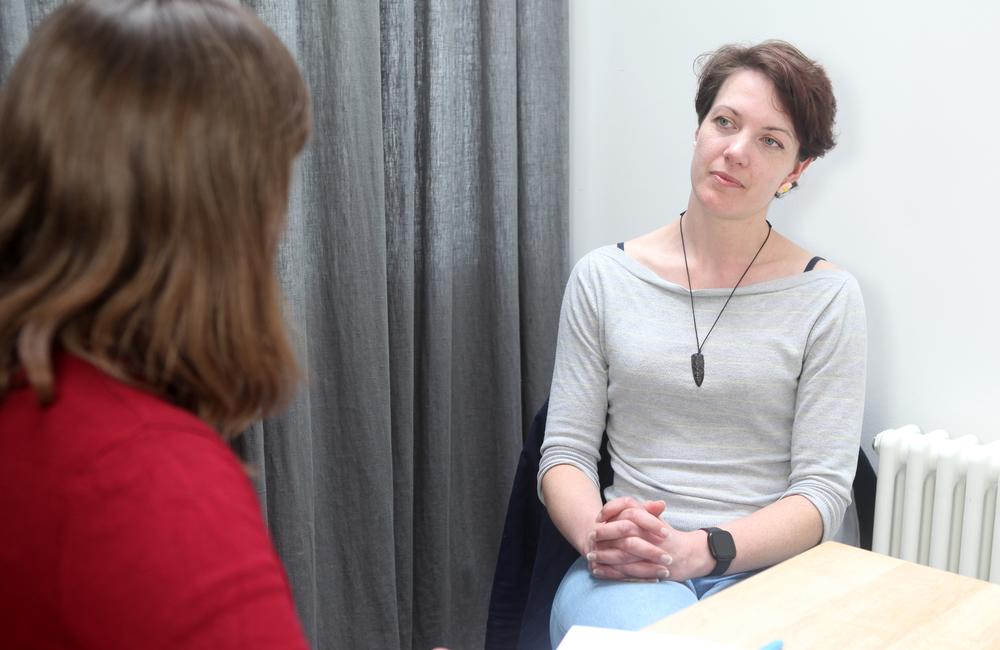
"To be an effective patient you will need to be involved in your own care."
It is important to be honest with your doctor and other clinic staff about the way you live your life. Knowing the facts helps your doctor to consider appropriate care and treatment for you. If, however, you feel unable to confide in your doctor about certain issues, there may be other staff in the department who you might be able to talk to more easily.
Maintaining contact with the same doctor can be difficult, as they are usually very busy, and staff change from time to time. However, if you have questions it’s important that you’re able to get answers. If getting access to your doctor is difficult, discuss ways of improving the situation. Could you have a conversation by phone or video call, or could you make an email enquiry?
Learning about the roles of other staff at your treatment centre will also help you go to the most appropriate person at the clinic for your query. They can provide you with additional sources of support (see the factsheet on HIV clinic services for more details). You will need to see your GP (family doctor) for some non-HIV-related medical problems. We have more information on finding and using a GP.