
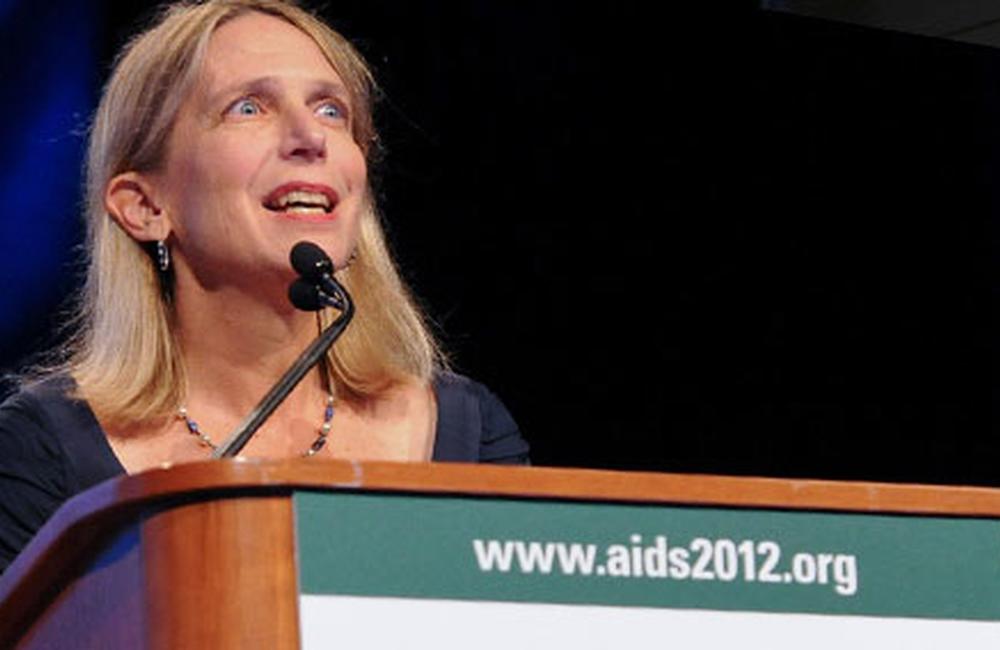
The world now has the opportunity to end the AIDS epidemic as a result of recent scientific discoveries, according to speakers at the opening ceremony of the 19th International AIDS Conference (AIDS 2012) in Washington DC on 22 July.
Welcoming delegates to the first international AIDS conference held in the United States for 22 years, conference co-chair Professor Diane Havlir said: “Our big idea, which many didn’t think was on the horizon five years ago, is that we can start to end AIDS. Future generations are counting on our courage to think big, be bold, and seize the opportunity before us.”
Experts now believe that if, mobilised at sufficient scale, a series of discoveries have the potential to greatly reduce the rate of new HIV infections and drastically reduce the number of AIDS-related deaths. These include:
The effectiveness of antiretroviral drugs in reducing sexual transmission of HIV, by up to 96% in serodiscordant couples.
Male medical circumcision, which reduces the risk of HIV acquisition by 50 to 60%.
Triple-drug antiretroviral therapy during pregnancy and breastfeeding, which can virtually eliminate the risk of HIV transmission if started early enough in pregnancy.
Pre-exposure prophylaxis (PrEP) with antiretroviral drugs, which greatly reduces the risk of HIV acquisition when taken consistently.
Intensified case finding for tuberculosis in people living with HIV, and intensified case finding for HIV in TB patients.
Earlier antiretroviral therapy for all adults and children, especially in people with TB and in infants.
Point-of-care diagnostics to identify HIV-infected infants as soon as possible after birth.
These recent innovations provide additional support to well-established prevention activities such as condom provision, HIV counselling and testing, and harm reduction for injecting drug users, all of which still need to be scaled up in many parts of the world.
Former US Global AIDS Co-ordinator, Ambassador Mark Dybul, dismissed pessimistic assessments of the chances of ending AIDS, noting that the Global Fund, the President’s Emergency Plan for AIDS Relief (PEPFAR), and antiretroviral treatment programmes managed by Africans had all been considered impossible until they were attempted, with US financial support and political will.
“PEPFAR needs to be celebrated as one of the great success stories of the early 21st century,” said US Health Secretary Kathleen Sebelius.
Professor Elly Katabira, outgoing President of the International AIDS Society, thanked the American people for their support for antiretroviral treatment through the PEPFAR programme.
Professor Havlir called on delegates and supporters worldwide to sign the Washington Declaration, a statement of the steps that need to be taken, based on the latest scientific evidence, to drive down new infections and increase the proportion of people who are receiving lifesaving treatment.
An increase in targeted investments. We can save lives, avert infections and reduce the global price-tag of the epidemic with an immediate, strategic increase in investments now.
Ensure evidence-based HIV prevention, treatment and care in accord with the human rights of those at greatest risk and in greatest need.
End stigma, discrimination, legal sanctions and human rights abuses against people living with HIV and those at risk.
Markedly increase HIV testing, counselling and linkages to prevention, care and support services.
Provide treatment for all pregnant and nursing women living with HIV and end peri-natal transmission.
Expand access to antiretroviral treatment to all in need.
Identify, diagnose and treat TB.
Accelerate research on new HIV prevention and treatment tools.
Mobilisation and meaningful involvement of affected communities must be at the core of collective responses.
An investment in science always pays off far more than the initial investment, said Professor Havlir.
“It would be an extraordinary failure of global will and conscience if financial constraints truncated our ability to begin to end AIDS just when the science is showing us that this goal is achievable,” she concluded.
View the webcast of the opening session on the conference website.
View the press conference about the opening session on the conference website.