
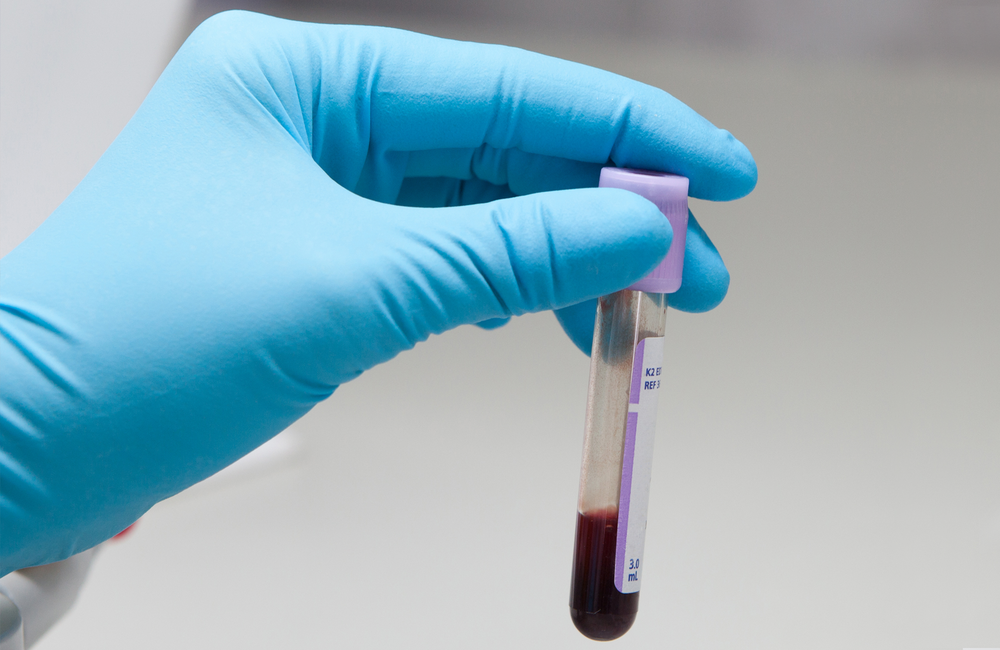
Measuring total lymphocyte count and anaemia can help predict the prognosis of patients starting antiretroviral therapy in Africa, investigators report in the on-line edition of The Lancet.
An international team of researchers developed two models to predict the risk of death within the first year of HIV therapy for patients in Africa.
The first included CD4 cell count. But because of cost, this test if often unavailable in poorer settings. Therefore, in the second model CD4 cell count was replaced with measurements of total lymphocyte count and anaemia.
Both models were equally accurate at predicting the mortality risk of patients during the first year of antiretroviral treatment.
The investigators found a mortality rate of 8% in the initial twelve-months of treatment. They write: “our models predict that mortality is substantially higher for patients in Sub-Saharan Africa than for those in developed countries”, adding “the prognosis of many patients would be improved with more timely start of ART [antiretroviral therapy]."
Access to antiretroviral therapy is expanding in many resource-limited settings. However, unlike resource-rich countries, there are no models predicting the prognosis of patients starting such treatment. The development of such tools could help decide which patients would benefit from therapy, and also identify the baseline clinical and laboratory markers that are associated with outcome.
Researchers therefore analysed data from four cohorts in sub-Saharan Africa. Two were in South Africa, one in Malawi and one in the Ivory Coast. All involved patients starting antiretroviral therapy between 2004 and 2007.
Patients in the South African cohort were eligible to start HIV therapy if they had a CD4 cell count below 200 cells/mm3 or World Health Organization (WHO) Stage 4 disease. Patients in the other cohorts were eligible for treatment if their CD4 cell count was below 200 cells/mm3 and they had WHO Stage 3 disease.
To predict the twelve-month mortality risk for patients starting treatment, they input baseline information into two models from the 10, 331 patients enrolled in these cohorts and remaining in care.
The first model included CD4 cell count, clinical stage, bodyweight, age, and sex.
However, cost pressures mean that it is not possible to measure CD4 cell count in some settings. Therefore, this variable was replaced in a second model with total lymphocyte count and haemoglobin. Other research has shown that both of these can predict which HIV-infected patients have an increased risk of mortality.
Consistent with eligibility criteria for HIV therapy in resource-limited settings, the patients were in poor health when they started treatment.
Overall, 85% were classified as having advanced HIV disease, and average CD4 cell count was just 111 cells/mm3. Median total lymphocyte count was 1394 cells/mm3, and median haemoglobin was 6.5 mmol/l.
Median CD4 cell count was 117 cells/mm3 for the patients who were alive at the end of twelve months, and 50 cells/mm3 for those who died.
In both models, age over 40, male sex , lower body weight and more advanced HIV disease were significantly associated with an increased risk of death within the first year of therapy.
Mortality was strongly associated with baseline CD4 cell count, and was 79% lower for those with a count above 200 cells/mm3 than those with a count below 25 cells/mm3 (adjusted hazard ratio [AHR] = 0.21; 95% CI, 0.17-.027).
Similarly, a lower total lymphocyte count and the presence of moderate or severe anaemia increased the risk of death.
The investigators found that both the CD4 and total lymphocyte/anaemia models were equally accurate at predicting mortality risk.
In the CD4 model the probability of death within one year ranged from 0.9% for those with the highest CD4 cell count, and best clinical status, to 52.5% for those with the weakest immune cells and poorest baseline health.
The mortality risk in the second model ranged from 0.9% to 59.6%.
“Both models predict early mortality in patients starting ART in sub-Saharan Africa compared with observed data”, comment the investigators.
Measuring haemoglobin can be a good guide to prognosis because, the investigators note, “anaemia in HIV infection might be a manifestation of chronic disease, infections of the bone marrow or myelosuppressive drugs.”
Total lymphocyte count has a good prognostic value because of “its correlation with CD4 cell count.”
Although the investigators did not include viral load in their model, they suggest that “body weight changes reflect changes in the rate of viral replication.” Moreover, weight loss can indicate the presence of serious infecitons.
Lower mortality rates in women than men could be explained because women were younger and started treatment earlier than men.
“Expansion of public health strategies to allow early access to therapy in sub-Saharan Africa is urgently needed”, conclude the researchers.
May M et al. Prognosis of patients with HIV-1 infection starting antiretroviral therapy in sub-Saharan Africa: a collaborative analysis of scale-up programmes. The Lancet, online edition, DOI: 10. 1016/S0140-6736(10)6066-6, 2010.