
Key points
- In the UK, between 5 and 10% of people with HIV have the hepatitis B virus.
- Hepatitis B can be passed on through contact with body fluids (i.e. blood, semen and vaginal fluid).
- People living with HIV should be screened for and vaccinated against hepatitis B.
- People with weak immune systems (including people living with HIV) who contract hepatitis B may develop chronic hepatitis B infection. If left untreated this can lead to fibrosis, cirrhosis, hepatocellular carcinoma (HCC) or end-stage liver disease.
Hepatitis B is an infection that can cause severe liver damage.
Hepatitis B is not very common in the UK, but it is very common in other parts of the world, particularly in Africa, the Indian sub-continent and throughout the rest of Asia. Around 7% of people with HIV in the UK also have hepatitis B. This is known as co-infection.
Over years or decades untreated chronic hepatitis B can cause serious liver disease, which can include:
Fibrosis – build-up of collagen and other fibrous scar tissue, leading to a 'stiff' liver.
Cirrhosis – serious scarring that blocks blood flow through the liver, kills liver cells and interferes with liver function.
Hepatocellular carcinoma (HCC) – a type of cancer that starts in the liver.
End-stage liver disease – severe loss of liver function that can result in death without a liver transplant.
Hepatitis B can be treated, but it usually cannot be cured. For information on treatment for hepatitis B, see our treatment page.
Transmission and prevention
Hepatitis B and HIV can be transmitted in similar ways, but hepatitis B is more infectious. Both are passed on by contact with body fluids which contain the virus such as blood, semen and vaginal fluid, or from a mother to her baby during pregnancy or delivery. Blood products in the UK are routinely screened for hepatitis B.
In wealthier countries such as the UK, hepatitis B has mainly affected gay and bisexual men and people who inject drugs. Using a condom reduces the chance of hepatitis B being passed on during sex. Syringes and other injecting drug equipment should never be shared. Straws or notes for snorting or inhaling drugs should also not be shared.
It is also possible to acquire hepatitis B through personal care items such as razors, toothbrushes and manicure tools that come into contact with blood. These items should not be shared. New, sterile needles should be used for piercings, tattooing and acupuncture.
Hepatitis B is not transmitted through normal social contact such as sharing crockery or cutlery, or touching someone with hepatitis B. Blood spills from someone with hepatitis B should be cleaned up following sensible infection control procedures (e.g. wearing gloves and using appropriate cleaning products). Scratches, cuts and wounds should be cleaned with soap and water and covered with a waterproof dressing or plaster.
In countries where hepatitis B is most common, many people acquired it through mother-to-child transmission or during early childhood.
The best protection against acquiring hepatitis B is the hepatitis B vaccine. The British HIV Association (BHIVA) recommends that all people with HIV should be vaccinated if they are not already immune. Four vaccine doses are given over a six-month period. You may be offered a rapid three-dose vaccination course if your doctor thinks you are at high risk of hepatitis B. It is important to receive all the shots to be fully protected against hepatitis B.
It is also important that people with hepatitis C or any other liver disease get vaccinated against hepatitis B if they are not already immune.
The vaccine is also recommended for adults at risk for infection including gay men and people who inject drugs.
If you have not yet been vaccinated and are exposed to hepatitis B, getting the vaccine immediately can stop the infection from taking hold (known as post-exposure prophylaxis).
All babies should be vaccinated soon after birth. Infection rates in many countries have fallen dramatically thanks to routine infant hepatitis B vaccination.
Pregnant women with hepatitis B can be given antibodies or antiviral medication to prevent hepatitis B transmission to their babies.
Stages of infection
Most people who get hepatitis B as adults will naturally clear the virus without treatment. However, babies, children and people with weak immune systems (including some people with HIV) will go on to have chronic infection (infection lasting beyond six months).
People who naturally clear the virus recover fully and develop lifelong immunity that prevents them from getting hepatitis B again. However, hepatitis B genetic material (DNA) remains inside liver cells and, on rare occasions, it may reactivate later, especially if the immune system becomes weakened.
There are four stages of chronic hepatitis B infection:
Stage 1 – immune tolerance: During this stage, hepatitis B reproduces freely in the body and viral load is high, but the immune system is not responding strongly to the infection. In adults, this stage is usually short-lived, but it can last for years or decades in people who acquired the infection as babies. Recent research shows that some liver damage can occur even at this early stage.
Stage 2 – active immune response: During this stage, the immune system attacks hepatitis B-infected cells in the liver. In some people, this phase lasts for just a few weeks until the immune system clears the virus. But if the immune system cannot clear the virus, people develop chronic active infection that lasts for years or decades. As the immune system attacks infected cells, this leads to liver inflammation, elevated liver enzymes and liver damage that worsens over time. For many people, the immune system is able to take control over the virus and they produce antibodies to one of the proteins of hepatitis B called ‘e’-antigen (or HBeAg). The amount of viral replication reduces and they move to the next stage.
Stage 3 – inactive carriage: During this stage, the body produces antibodies against hepatitis B, a process known as seroconversion. During this inactive stage, the immune system controls the virus so it no longer reproduces freely. Hepatitis B viral load is low or undetectable and liver enzyme levels are usually low. About 10 to 25% of people who get hepatitis B as adults will become ‘chronic inactive carriers’, which means they can still pass the virus on to others and may develop long-term liver damage, although this is less likely. They are also at risk of liver cancer (as are people in all other stages of infection). Some people can go through cycles of active immune response and immune control.
Stage 4 – ‘e’-antigen-negative chronic active hepatitis: Some people move from stage 3 to stage 4 when their hepatitis B virus mutates to escape antibody control. People in this stage lack ‘e’-antigen but have moderate levels of viral replication with inflammation of the liver. Because they have been through the previous stage of active inflammation and may already have pre-existing liver damage, they are at most risk of having complications like cirrhosis and liver cancer.
It is often difficult to classify people precisely into one of the four stages described above. Recent guidelines suggest that people with hepatitis B can be classified into those that are HBeAg-positive and those that are HBeAg-negative. Within these two groups, people either have active inflammation and liver damage or have no liver damage. This, together with the amount of hepatitis B virus DNA in blood, is used for making treatment decisions.
Diagnosis and monitoring
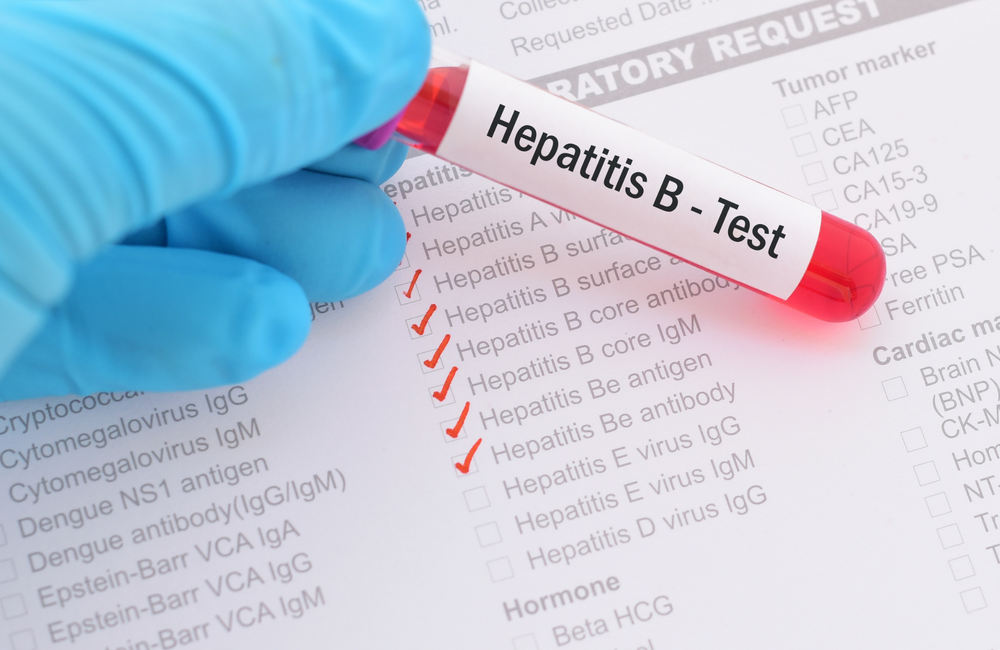
All people living with HIV should be screened for hepatitis B. There are a number of tests to determine if you currently have hepatitis B, if you have had it in the past and managed to naturally clear the infection – which makes you immune to future infection – or if you are immune due to vaccination.
If a test finds hepatitis B virus fragments called surface antigen (HBsAg) over a period longer than six months, then you are a chronic carrier of hepatitis B. You can potentially transmit the virus to others and it can damage your liver over time.
"The British HIV Association (BHIVA) recommends that all people with HIV should be vaccinated against hepatitis B if they are not already immune."
People who also test positive for hepatitis B 'e'-antigen (HBeAg) typically have higher rates of hepatitis B virus replication and are more likely to transmit the virus. However, some types of hepatitis B do not produce HBeAg. People with HBeAg-positive hepatitis B usually have higher hepatitis B viral load and do not respond as well to antiviral treatment as those with HBeAg-negative hepatitis B.
If tests show you have two types of antibodies against hepatitis B core and surface antigens (called anti-HBc and anti-HBs), but no surface antigen (HBsAg) after six months of infection, this means your immune system has naturally cleared the virus and you are protected against future infection. Having only one type of antibody (anti-HBs) shows that you are protected due to vaccination. If you have no surface antigen and no antibodies against hepatitis B, you are susceptible to infection and should have a vaccination.
Another type of test measures hepatitis B viral load, or presence of hepatitis B genetic material (also known as HBV DNA). Detectable viral load means the virus is actively replicating or reproducing in your body.
Liver function tests are recommended when you are first diagnosed with HIV, at each routine HIV clinic appointment and if you become ill. These tests measure levels of certain chemicals which give an indication of how well your liver is working. These include two enzymes, known as ALT and AST, which can indicate liver inflammation. High levels of these enzymes can mean you have active hepatitis B or antiretroviral drugs are harming your liver.
Other types of tests are also done to see how much the liver is damaged and whether you need treatment. One test, called elastography (FibroScan), uses vibration waves to determine the degree of liver fibrosis or cirrhosis. Another is a liver biopsy, which uses a hollow needle to remove a small sample of liver tissue to examine under a microscope. Liver biopsies can be uncomfortable, but complications are rare. The results of these tests can help form a complete picture of an individual’s liver disease.
People with chronic hepatitis B – especially if they have advanced fibrosis or cirrhosis, have a family history of liver cancer or are of Asian or African origin – should also be screened every six months for liver cancer, which is usually done with ultrasound scans.
Symptoms and disease progression
The majority of adults with hepatitis B have no symptoms, and infection is often only diagnosed by routine blood tests and monitoring the health of the liver. Among people living with HIV, routine liver function monitoring sometimes shows elevated liver enzymes, which can be a sign of liver inflammation due to hepatitis B.
Some people develop symptoms soon after hepatitis B infection, known as the acute phase. These can include the following:
- fatigue (unusual tiredness)
- fever
- nausea and vomiting
- loss of appetite
- pain in the upper abdomen or belly
- muscle or joint aches
- feeling generally unwell (malaise)
- yellowing of the skin and whites of the eyes (jaundice).
A minority of people may develop severe symptoms during acute hepatitis B infection, and in rare cases it can lead to death.
After the acute stage (more than six months after infection), many people with chronic hepatitis B have few or no symptoms. Others may experience ongoing symptoms including fatigue and feeling unwell. Even if you have no symptoms, you can still pass on hepatitis B to others.
With or without symptoms, chronic hepatitis B infection can lead to serious liver disease over years or decades, including fibrosis, cirrhosis and liver cancer.
Hepatitis B and HIV
Between 5 and 10% of people living with HIV also have hepatitis B virus, known as co-infection. People living with HIV are less likely to clear hepatitis B without treatment. People living with HIV and hepatitis B co-infection can have faster liver disease progression. But having hepatitis B does not seem to make HIV disease worse.
Living with hepatitis B: your lifestyle
People living with HIV and hepatitis B can benefit from adopting a healthy lifestyle, including eating a balanced diet. Try to maintain a healthy weight. Being overweight is linked to fatty liver disease which can worsen liver damage.
Since people living with HIV and hepatitis may have an increased risk of cardiovascular disease and diabetes, your clinic should regularly monitor your blood fats or lipids (cholesterol and triglycerides) and blood sugar (glucose).
People living with hepatitis B should limit how much alcohol they drink, and those with liver damage should avoid alcohol altogether. Not smoking and cutting down or stopping recreational drug use are also important for overall health.
- Eat a balanced diet including vegetables, fruit and wholegrains.
- Get regular moderate exercise.
- Stop smoking.
- Reduce or eliminate alcohol and drug use.
- Get enough sleep.
- Find ways to reduce stress.
Other sources of information
For more information, you may find the website of the British Liver Trust helpful: www.britishlivertrust.org.uk. You can also contact their helpline team on 0800 652 7330.