
Key points
- HPV can be passed on through sex and any skin-to-skin contact with the genital area.
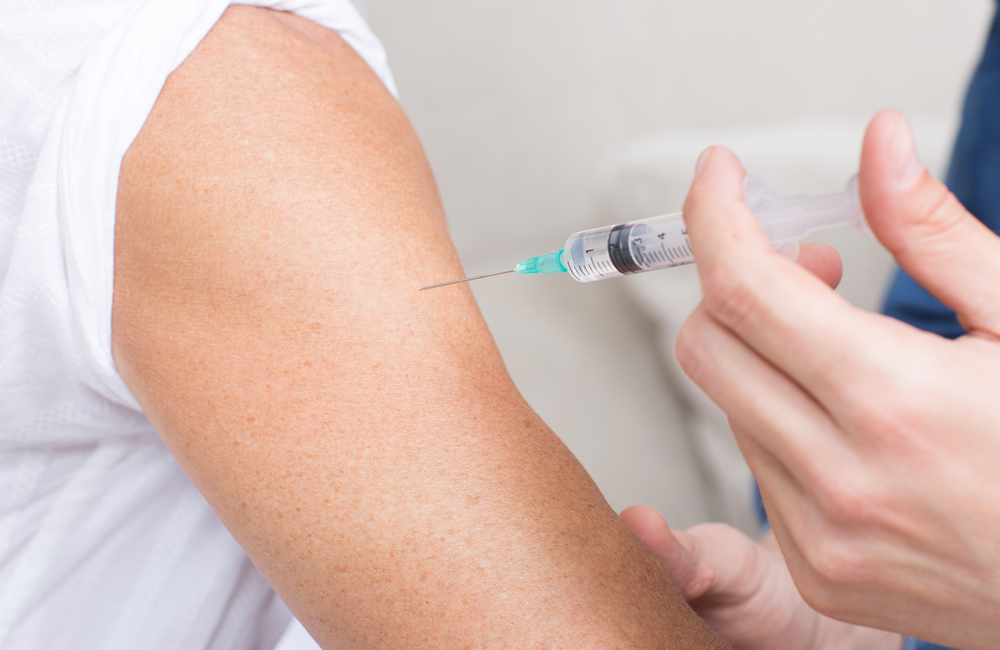
- Vaccines against HPV are available.
- Some strains of HPV can cause genital warts.
- Other strains of HPV can lead to cervical or anal cancer.
The human papillomaviruses (HPV) are a family of over 100 strains of virus. About 30 different HPV strains can affect the genital area. These strains can also affect the mouth and throat.
HPV is a very common sexually transmitted infection (STI). Most people will get some type of HPV in their life time. Some strains of HPV can cause genital warts or cancers, while others may not do any harm or cause symptoms. There are especially high rates in young people, although vaccination against HPV for young women has reduced numbers of infections significantly. Young gay men have been found to have particularly high rates of anal HPV in some research. Having HPV has also been linked to a higher risk of becoming infected with HIV in some research.
Some strains of HPV can lead to cervical or anal cancer. The risk of this is higher in people with HIV because there is more chance that the virus will become re-activated due to loss of immunity, although both cervical and anal cancer are relatively rare in people with HIV. Very rarely, high-risk types of HPV can also cause vulval, vaginal, penile and some mouth and throat cancers. Being on HIV treatment, with an undetectable viral load, and having a higher CD4 cell count (certainly over 200) can reduce the risk of developing HPV-related cancers.
Transmission
HPV can be contracted during unprotected anal, vaginal or, rarely, oral sex. It can also be passed on through other skin-to-skin contact with the genital area or by sharing sex toys, even if the partner doesn’t have any genital warts. It is possible to have more than one strain of HPV at any time.
It is possible for a mother to pass HPV on to her baby during delivery, but this is rare.
Prevention
Using a condom for anal, vaginal and oral sex offers a degree of protection from infection with HPV, or from passing on the virus to somebody else. However, protection isn’t complete as the skin around the genital area may also carry the infection. Don’t share sex toys; if you do, cover them with a condom or wash them between uses.
People who are sexually active are advised to have regular sexual health check-ups, especially if you have recently had a new partner. It is recommended that people with HIV have a sexual health check at least once a year. There you can be examined for genital warts and get tested for other sexually transmitted infections. In some situations, having a check-up more often may be recommended, such as if you are having unprotected sex with new or casual partners. Gay men having unprotected sex – including oral sex – with new or casual partners are advised to have a sexual health check every three months.
In the UK, most HIV treatment centres have an associated sexual health clinic where free and confidential treatment can be obtained without referral from your GP or your HIV doctor.
Three vaccines are available that offer protection against certain strains of HPV, including those that have the highest risk of leading to cervical or anal cancer. All three can offer protection against HPV strains 16 and 18, which cause 70% of cervical cancers and 80% of anal cancers worldwide. Two of the vaccines are also effective against types 6 and 11 which do not cause cancers but cause most of the genital warts.
Vaccination is likely to have the greatest benefit before young people become sexually active. If you have already been exposed to the HPV types covered by the vaccine, being vaccinated will not reduce the risk of future disease caused by HPV.
In the UK, the National Health Service (NHS) recommends two doses of vaccination for people under the age of 15 and three doses for those above 15. In the UK, USA, Australia and some other countries there are vaccination programmes for girls and boys at schools. It is also possible to pay to have the vaccination as a private patient. If you are considering this, make sure that you talk to your HIV doctor and have a blood test to see if you are already infected with the strains of HPV the vaccine protects against.
The European AIDS Clinical Society (EACS) and the British HIV Association (BHIVA) recommend vaccination for everyone living with HIV under the age of 26, and for all gay men up to the age of 40.
Symptoms
Most strains of HPV do not cause obvious symptoms, so people may not realise they have the infection.
Most cases of visible genital warts are caused by strains 6 and 11. They can take up to a year to develop after infection takes place. The warts can look and feel much like those that may appear on other parts of the body – small nodules with either a smooth or rougher texture. They can appear singly or in ‘cauliflower’-like clusters. They are usually painless, but can become itchy or inflamed. Occasionally they may bleed. If left untreated genital warts may resolve spontaneously, remain unchanged, or increase in size or number.
Warts may appear on the inside or outside of the vagina, on the neck of the cervix, in or around the anus and on the thighs. Genital warts may also appear on the tip or shaft of the penis, on the scrotum or on the urethra.
Diagnosis
For women, cervical screening (a smear test) is used to detect pre-cancerous cellular changes called dysplasia early, before cancer develops. A small sample of cells from the cervix are examined under a microscope, to see if there are any changes in the cells which suggest a risk of cervical cancer developing in the future.

HIV-positive women are recommended to have cervical screening when they are first diagnosed with HIV, six months later, and then at least once a year. Trans men who have had a total hysterectomy to remove their cervix do not need cervical screening.
The value of regular screening of the anal canal for pre-cancerous cells is less clear, and it is not currently recommended as standard, although some clinics offer it. You may want to ask about screening, especially if you have already had anal warts.
Genital warts are diagnosed by visual and manual examination of the genital and anal area.
Treatment
In most cases, the immune system naturally clears infection with HPV. The average length of any single anal HPV infection is five months to a year. People with weaker immune systems may take longer to get rid of it.
In some cases, the infection persists and can cause other health problems, such as warts and cancers.
If you have visible warts, there are several treatments, none of which cure HPV. Treatment can involve applying topical creams or liquids, freezing, laser treatment or surgery. These procedures may feel a little uncomfortable; for some, you will have a local anaesthetic. Sometimes treatment will need to be repeated, or a combination of different methods used. For reasons that are not fully understood, treatments are more effective in people who do not smoke. If you smoke, you may want to consider giving up before you start treatment for genital warts.
HPV vaccination is not effective against current infections.
If screening shows that you have developed pre-cancerous cells in your cervix or anus, there is treatment available. If detected early, treatment for these changes is very effective.